
As I prepped for another busy weeknight dinner, the kitchen filled with the vibrant colors and inviting aromas of my Healthy Sautéed Vegetables. Within just 22 minutes, I had transformed a simple medley of fresh produce into a quick and nutritious side dish that was as delightful to look at as it was to eat. These sautéed veggies are not just a feast for the eyes; they’re also packed with vitamins and fiber, making them a guilt-free companion to any main course. Plus, the versatility of this colorful dish means it fits seamlessly into meal prep plans and can easily please even the pickiest eaters. Are you ready to elevate your weeknight cooking routine with this tasty recipe?
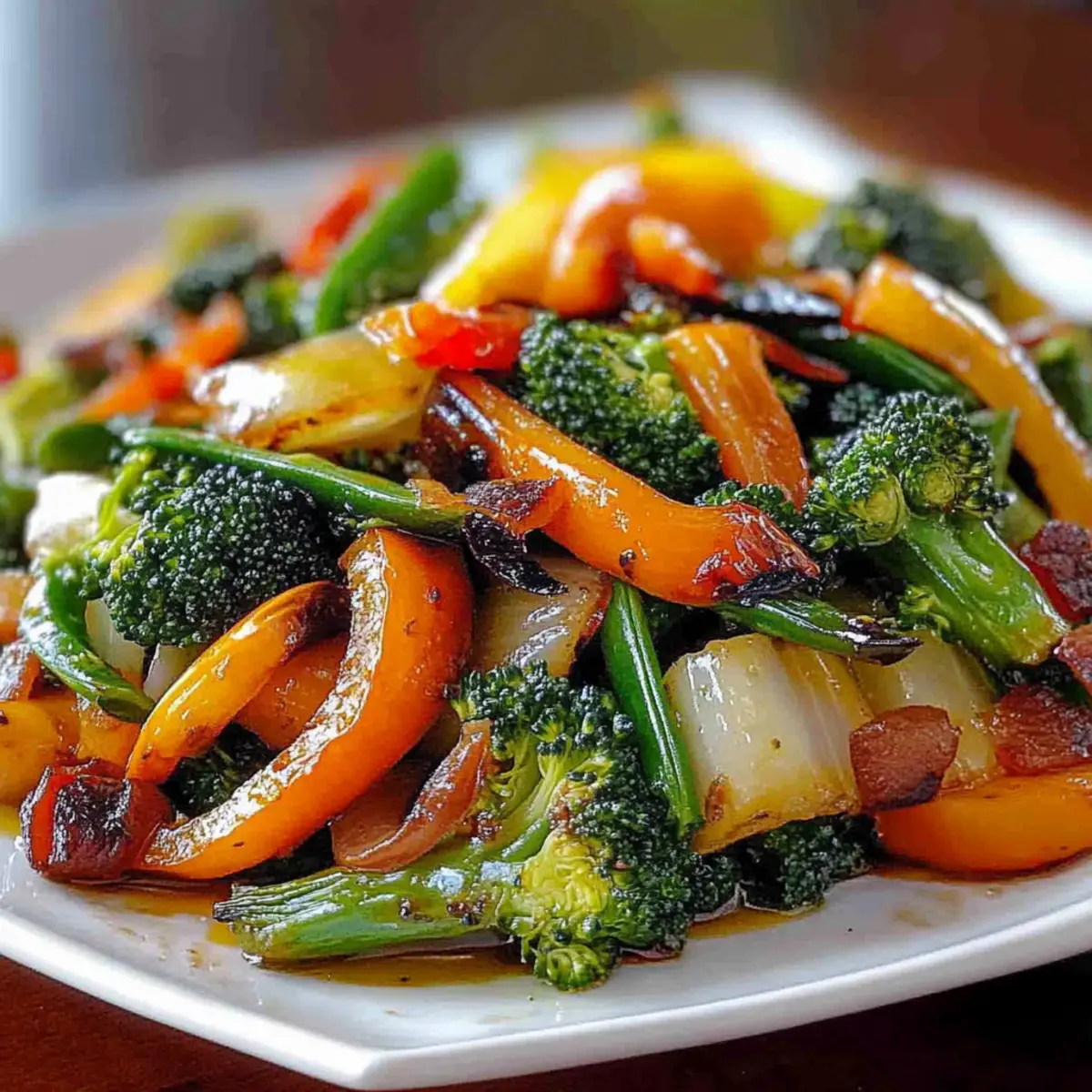
Why Choose Healthy Sautéed Vegetables?
Quick preparation: In just 22 minutes, you can serve a delightful, colorful side dish without hassle.
Nutrient-rich: Packed with fiber and vitamins, these veggies boost your health while adding appeal to your plate.
Versatile option: Perfect alongside roasted meats or even in grain bowls, this dish can adapt to your meal and satisfy all tastes.
Guilt-free indulgence: Enjoy their natural sweetness without unnecessary calories, making them a crowd-pleasing favorite.
Easy meal prep: Great for busy weeks, simply chop your vegetables ahead of time, and they’ll be ready to sauté at a moment’s notice. Enhance your meals even further with Healthy Sautéed Vegetables or pair them finely with Carrot Oatmeal Muffins for delightful contrasts!
Healthy Sautéed Vegetables Ingredients
• For those ready to brighten up their plates!
For the Sauté
- Olive Oil – A cooking fat that enhances flavor; substitute with avocado oil or butter for a different taste.
- Garlic (2 cloves, minced) – Adds aromatic depth; fresh garlic is preferred for the best flavor.
- Onion (1 small, thinly sliced) – Contributes sweetness and aroma; shallots can be used for a milder flavor.
For the Vegetables
- Bell Pepper (1, sliced) – Adds sweetness and vibrant color, creating visual appeal on your plate.
- Zucchini (1, sliced into half-moons) – Contributes moisture and a soft texture; yellow squash is a great replacement.
- Broccoli Florets (1 cup) – Adds crunch and nutrients; fresh is recommended, but thawed frozen works too.
- Carrot (1 medium, julienned or sliced thin) – Brings sweetness and a satisfying crunch; pre-cut carrots offer convenience.
- Snap Peas (½ cup) – Offers a crisp bite; green beans make a lovely substitute.
- Mushrooms (½ cup, sliced) – Provides umami flavor and texture; choose button or cremini for best results.
For Seasoning
- Salt and Black Pepper (to taste) – Essential seasonings for balance and flavor enhancement.
- Lemon Juice (1 tsp, optional) – Brightens the overall taste; vinegar like balsamic or soy sauce serves as an alternative.
Optional Toppings
- Toasted Nuts, Seeds, Fresh Herbs, Grated Parmesan – Each adds texture and an extra flavor punch to your dish.
These tasty and Healthy Sautéed Vegetables will delight everyone around the table, and make your meals a little brighter!
Step‑by‑Step Instructions for Healthy Sautéed Vegetables –
Step 1: Prep Vegetables
Start by washing all your vegetables thoroughly under cold water. Then, slice them into uniform sizes—this ensures even cooking. Cut the bell pepper, zucchini, broccoli, and onion while setting aside the minced garlic. Aim for bite-sized pieces to allow for a beautiful presentation in your Healthy Sautéed Vegetables.
Step 2: Heat Oil
In a large skillet, pour in 1–2 tablespoons of olive oil and heat it over medium-high heat. Allow the oil to shimmer, which should take about 1-2 minutes. This temperature will help create a superb sauté while preventing the vegetables from sticking.
Step 3: Cook Aromatics
Add the minced garlic and sliced onions to the hot skillet, sautéing for about 1-2 minutes. Stir frequently until the garlic turns fragrant and the onions become translucent. This aromatic base is crucial for enhancing the flavor of your Healthy Sautéed Vegetables.
Step 4: Add Harder Vegetables
Next, toss in the julienned carrots and broccoli florets. Sauté these vegetables for 3–4 minutes, stirring often. You want them to slightly soften while still maintaining a crisp texture. This step builds depth in the dish, creating a hearty start to your colorful vegetable medley.
Step 5: Add Softer Vegetables
Now it’s time to introduce the bell pepper, zucchini, sliced mushrooms, and snap peas. Stir them into the mix and continue to sauté for another 4-5 minutes. The goal is to have everything cook until crisp-tender, retaining a vibrant color and flavor that truly embodies the concept of Healthy Sautéed Vegetables.
Step 6: Season
Sprinkle in salt and black pepper according to your taste. If you like, add a splash of lemon juice or your preferred vinegar to brighten the flavors further. Toss everything well to ensure the seasonings are evenly distributed throughout the Healthy Sautéed Vegetables, enhancing their natural sweetness.
Step 7: Serve
Finally, remove the skillet from heat and transfer your vibrant sautéed vegetables to a serving dish. Garnish with optional toppings such as toasted nuts, fresh herbs, or grated Parmesan to elevate the presentation. Serving them immediately will help retain that delightful crisp-tender texture, ensuring a delicious side for any meal.
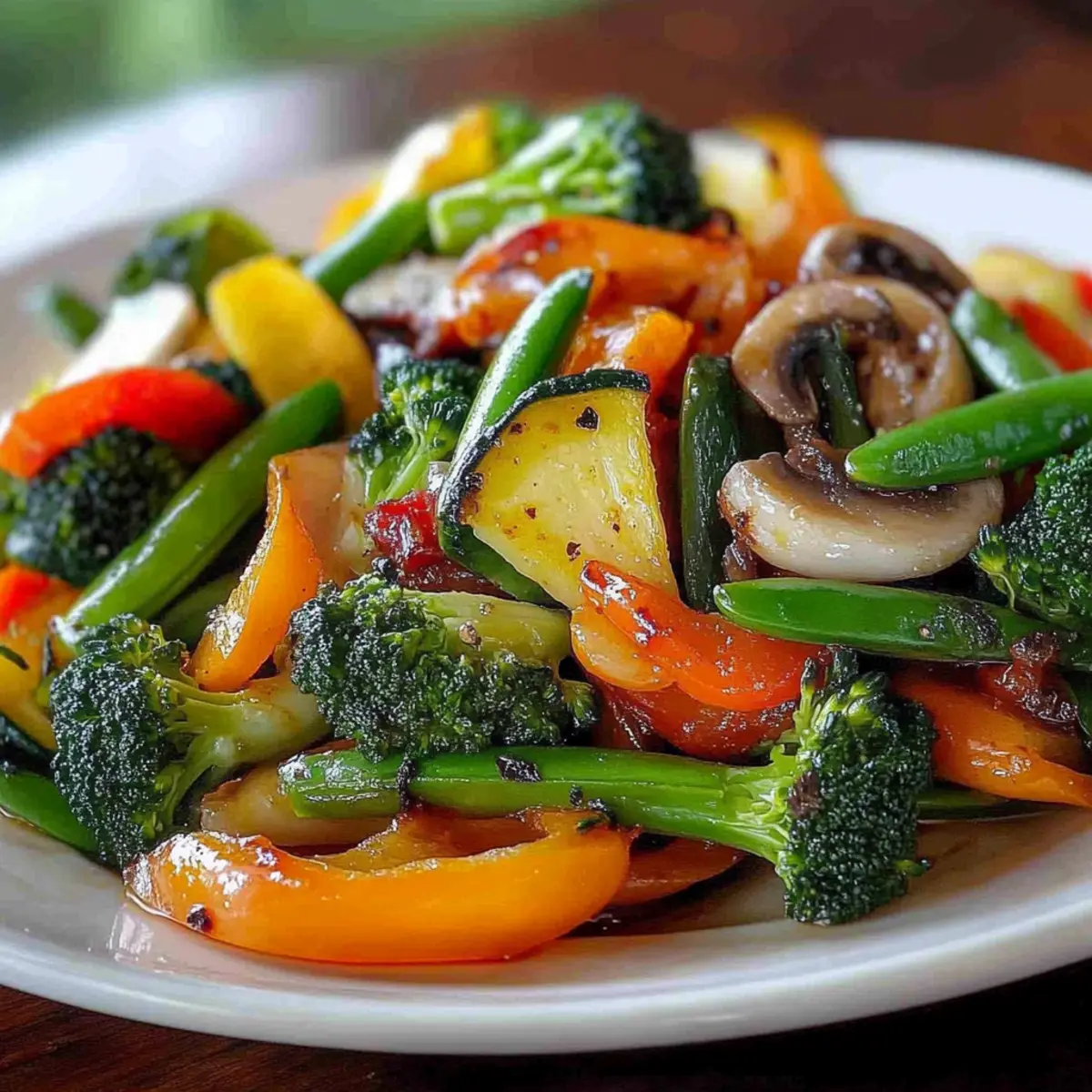
Make Ahead Options
These Healthy Sautéed Vegetables are perfect for meal prep enthusiasts looking to save time during busy weeknights! You can chop all the vegetables up to 24 hours in advance and store them in an airtight container in the refrigerator to keep them fresh. To maintain the vibrant colors and crisp textures, avoid cutting them too far in advance and keep the mixture cool. When you’re ready to serve, simply sauté the prepped veggies in olive oil, starting with the harder vegetables like carrots and broccoli, followed by the softer ones, for a delightful quick side dish that’s just as delicious as if you had made it fresh!
Healthy Sautéed Vegetables: Customizable Goodness
Feel free to adapt these colorful veggies to your taste and pantry for a delicious twist on this classic dish!
- Dairy-Free: Replace cheese toppings with nutritional yeast for a cheesy flavor without the dairy.
- Protein-Packed: Add cooked chickpeas or lentils alongside the sautéed veggies to create a hearty, nutritious meal that’s also plant-based.
- Spice It Up: For a kick, incorporate red pepper flakes or add a splash of hot sauce during cooking for extra zing.
- Nutty Crunch: Toss in some toasted almonds or walnuts for added crunch and healthy fats that enhance the nutty flavor of the vegetables.
- Herb Infusion: Fresh herbs like cilantro or parsley can elevate the dish; throw them in just before serving for a burst of freshness.
- Zesty Twist: Substitute lemon juice with orange juice for a sweeter, citrusy flavor that nicely complements the veggies.
- Seasonal Variety: Swap out vegetables based on the season; try butternut squash in fall or asparagus in spring for delightful variations in this dish.
- Sweet Element: For a surprising twist, add a dash of maple syrup or honey to enhance the natural sweetness of the vegetables, creating a richer flavor experience.
Ready to try these healthy sautéed vegetables with a personal touch? Pair them beautifully with Healthy Sautéed Vegetables or add a sweet finish with Carrot Oatmeal Muffins to create a delightful dining experience!
Expert Tips for Healthy Sautéed Vegetables
-
Even Sizing: Ensure all vegetables are cut into uniform pieces for consistent cooking. This helps achieve that delightful crisp-tender texture in your Healthy Sautéed Vegetables.
-
Heat Control: Maintain a medium-high heat while cooking. If the heat is too low, the vegetables may steam instead of sautéing, losing their appealing flavor and texture.
-
Freshness is Key: Using fresh, seasonal vegetables enhances the overall taste and nutritional value. Avoid old produce, as it can diminish the quality of your sautéed dish.
-
Don’t Rush the Aromatics: Sauté garlic and onions until fragrant before adding other vegetables. This builds a flavorful foundation that elevates the entire dish.
-
Experiment with Spices: For additional flavor, feel free to incorporate your favorite herbs and spices. Just remember to taste as you go to keep the balance in your Healthy Sautéed Vegetables.
-
Serve Immediately: Enjoy your sautéed vegetables fresh off the skillet. The vibrant colors and crisp texture make them a feast for the eyes and the palate!
How to Store and Freeze Healthy Sautéed Vegetables
- Room Temperature: Serve immediately after cooking; avoid leaving at room temperature for more than 2 hours to ensure freshness and safety.
- Fridge: Store in an airtight container for up to 3–4 days. When reheating, use a skillet on medium heat for the best texture.
- Freezer: Cooked vegetables can be frozen in a tightly-sealed bag or container for up to 2 months. Expect some texture change upon thawing, but they’re still delicious.
- Reheating: For optimal flavor and texture, reheat on the stove over medium-high heat, stirring frequently until warmed through. Enjoy your vibrant Healthy Sautéed Vegetables!
What to Serve with Healthy Sautéed Vegetables
The perfect accompaniment to elevate your vibrant sautéed dish awaits!
-
Creamy Mashed Potatoes: Velvety and rich, they provide a comforting contrast to the crisp-tender veggies. The buttery flavor enhances every bite.
-
Grilled Chicken: Juicy and savory, grilled chicken pairs beautifully with the freshness of sautéed vegetables, creating a balanced meal full of flavors.
-
Quinoa Salad: Earthy and nutty, quinoa offers a great base for these colorful vegetables, adding texture and a protein boost to your meal.
-
Garlic Bread: Crunchy and aromatic, garlic bread’s carb-rich comfort complements the lightness of the sautéed veggies, making for an indulgent yet harmonious pairing.
-
Lemon Herb Rice: Zesty and fragrant, this rice dish brightens up the plate while tying together the flavors of the vegetables with its refreshing acidity.
-
White Wine: A crisp Sauvignon Blanc pairs wonderfully, enhancing the dish’s freshness with its bright acidity and herbal notes, perfect for a lovely dinner.
-
Dark Chocolate Mousse: For a delightful dessert, this rich treat balances the lightness of your meal. The sweetness envelops your taste buds, leaving a satisfied smile.
-
Fresh Fruit Salad: Bursting with sweetness and color, a light fruit salad can cleanse your palate after those savory sautéed flavors, providing a refreshing finish.
Each pairing creates a complete and satisfying meal experience, ensuring your Healthy Sautéed Vegetables shine on any dinner table!
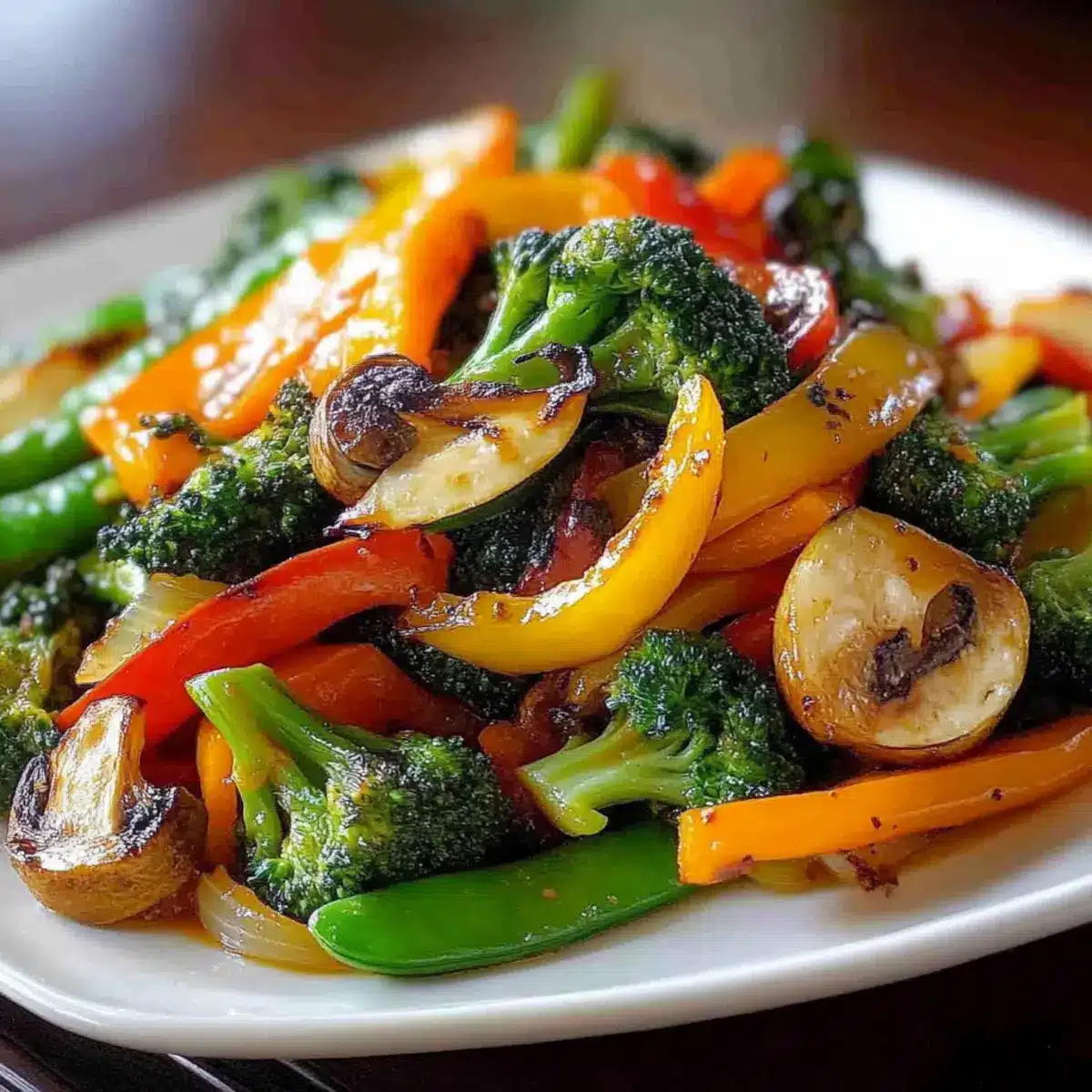
Healthy Sautéed Vegetables Recipe FAQs
What are the best vegetables to use for sautéing?
Absolutely! Fresh, colorful vegetables like bell peppers, zucchini, broccoli, and snap peas are perfect for sautéing. These vegetables not only provide delightful textures and flavors but also retain their nutrients well. Just remember to cut them into uniform sizes for even cooking!
How should I store leftover sautéed vegetables?
Store your Healthy Sautéed Vegetables in an airtight container in the refrigerator for 3–4 days. It’s best to reheat them in a skillet over medium heat to maintain their crisp-tender texture—this will truly revive their freshness!
Can I freeze sautéed vegetables?
Yes, you can freeze cooked vegetables! Transfer them to a tightly-sealed bag or container and pop them in the freezer for up to 2 months. Be aware that some vegetables may lose their crispness when thawed, but they’re still delicious as part of soups or casseroles.
How can I avoid overcooking my vegetables while sautéing?
Very! To achieve that perfect crisp-tender texture, cook on medium-high heat and don’t overcrowd the pan. If needed, sauté in batches. Start with the harder vegetables (like carrots and broccoli), and add softer ones (like zucchini and bell peppers) afterward to prevent them from becoming mushy.
Are sautéed vegetables suitable for a vegan diet?
Absolutely! This Healthy Sautéed Vegetables recipe is vegan-friendly and can be enjoyed by everyone. Just be sure to check the toppings. If using cheese, opt for plant-based alternatives to keep it fully vegan.
What oil should I use for sautéing?
Olive oil is an excellent choice for sautéing due to its flavor and high smoke point. If you’re looking for alternatives, avocado oil or even butter can work well, depending on your taste preferences. Just keep in mind that oil choice can slightly alter the dish’s flavor profile!
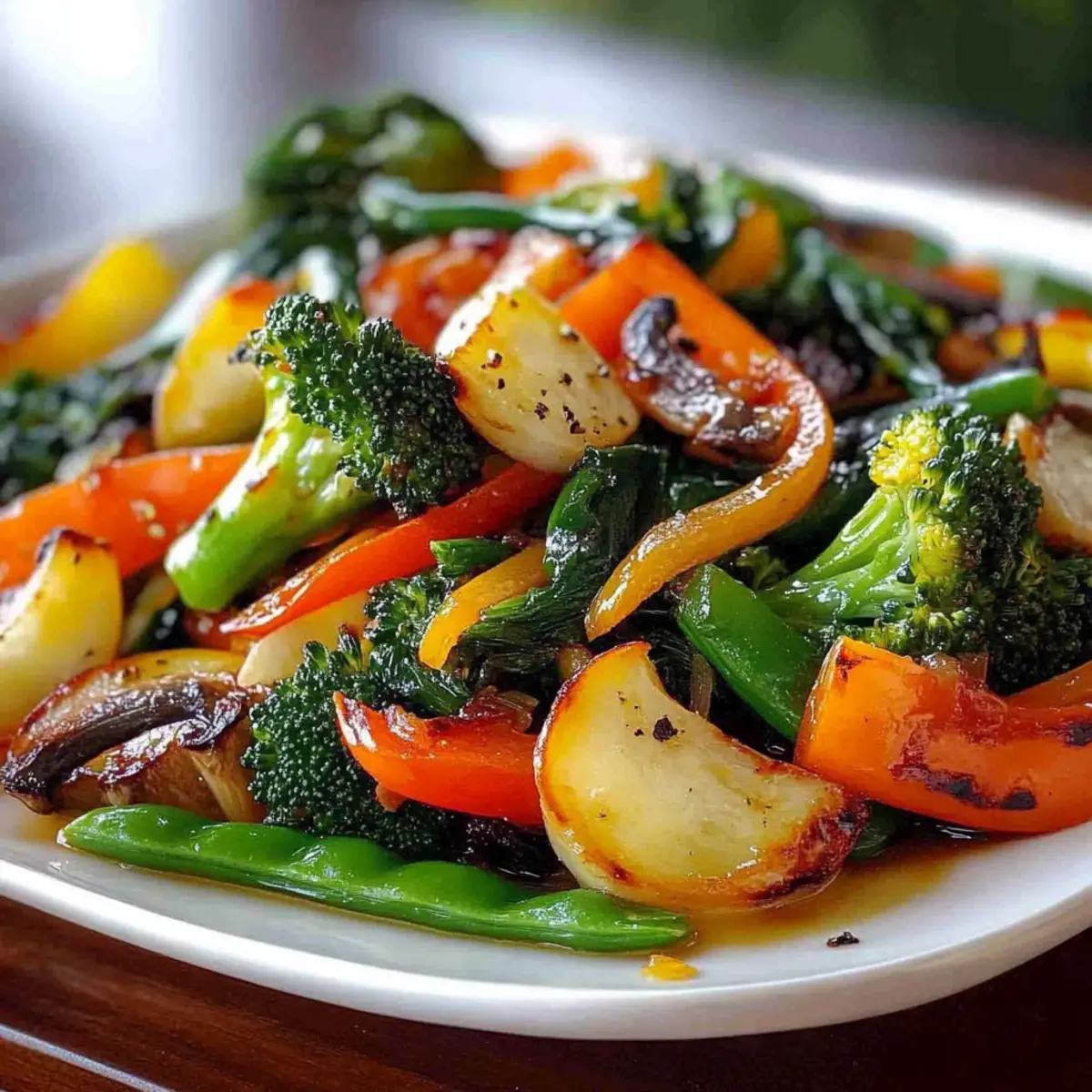
Healthy Sautéed Vegetables for a Quick and Colorful Meal
Ingredients
Equipment
Method
- Prep Vegetables: Wash all vegetables thoroughly, then slice them into uniform sizes for even cooking.
- Heat Oil: Pour in olive oil into a large skillet over medium-high heat. Wait for the oil to shimmer, about 1-2 minutes.
- Cook Aromatics: Add the minced garlic and sliced onion, sautéing for about 1-2 minutes until fragrant.
- Add Harder Vegetables: Toss in the julienned carrots and broccoli florets. Sauté for 3-4 minutes until slightly softened.
- Add Softer Vegetables: Introduce bell pepper, zucchini, mushrooms, and snap peas. Sauté for another 4-5 minutes until crisp-tender.
- Season: Sprinkle salt and pepper to taste. Optionally add lemon juice or vinegar for brightness.
- Serve: Remove from heat, transfer to a serving dish, and garnish with optional toppings. Serve immediately.
Leave a Reply