
As I stood by the stove, the air filled with the enticing aroma of sautéing garlic and colorful vegetables, I felt a wave of excitement. This Pasta Primavera Recipe is a lively celebration of spring, showcasing seasonal veggies and the perfect pasta brought together with a light olive oil sauce. It’s not only a feast for the eyes but also a breeze to whip up—ideal for those busy weeknights or leisurely weekends when you crave something fresh and satisfying. Plus, you can easily customize it with your favorite vegetables, making it a versatile dish that pleases everyone at the table. Ready to dive into a bowl of vibrant flavors? Let’s get cooking!
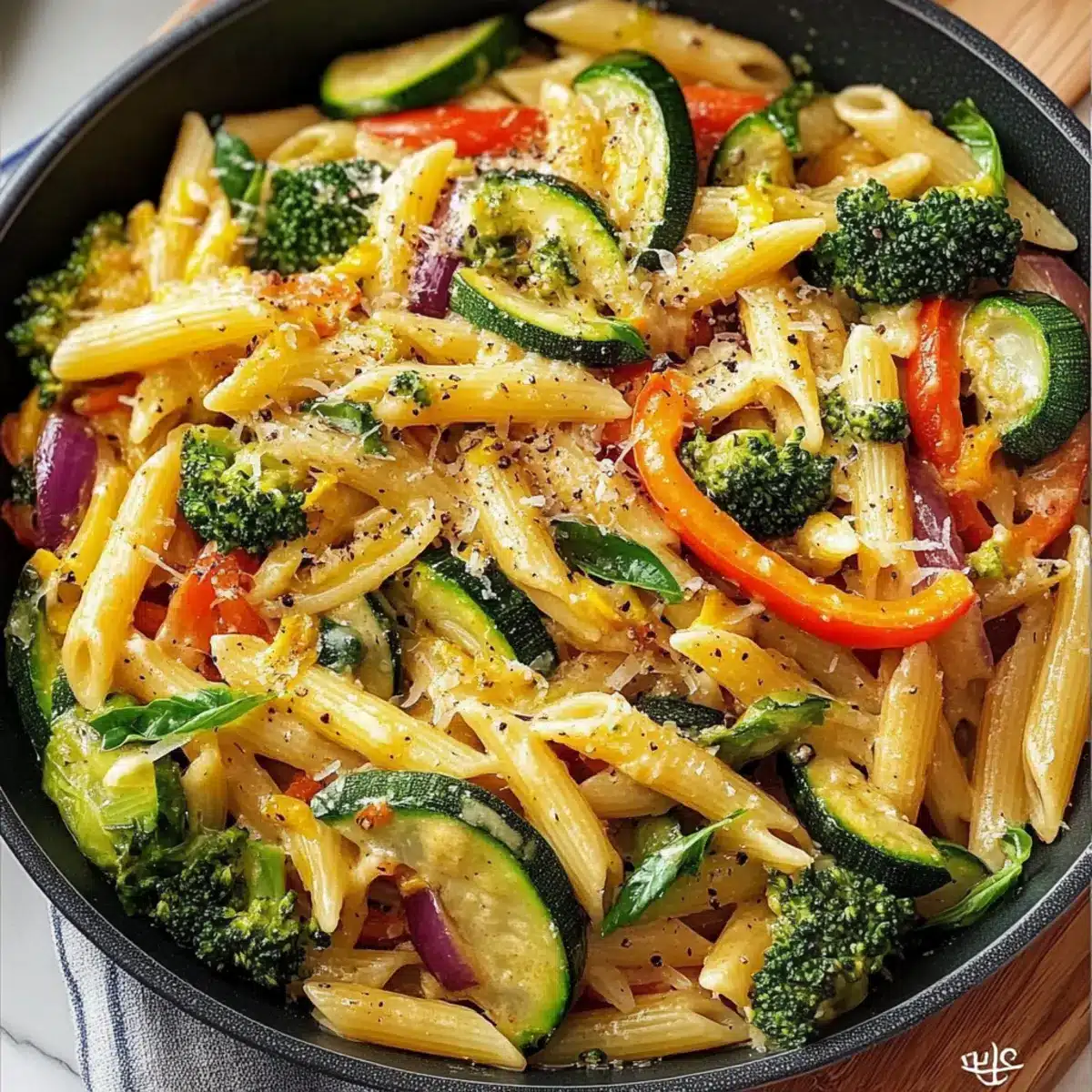
Why is Pasta Primavera a Spring Favorite?
Simplicity, This Pasta Primavera Recipe is incredibly easy, allowing you to whip up a delicious meal in no time. Freshness, It highlights seasonal vegetables that burst with flavor—perfect for health-conscious eaters. Versatile, Customize it with your go-to veggies or proteins like grilled chicken or chickpeas. Crowd-Pleaser, This dish never fails to impress family and friends, whether as a main course or a refreshing pasta salad. Nutritional Boost, Packed with vitamins A and C, it makes for a light yet satisfying meal that you can feel great about. So why not take a look at how we create this vibrant dish? You might also enjoy trying out Beef Shells Cozy for a heartier option!
Pasta Primavera Recipe Ingredients
For the Pasta
• Pasta – 12 oz (penne, fettuccine, or spaghetti) – Choose your favorite shape; any pasta works perfectly here.
For the Vegetables
• Broccoli Florets – 1 cup – Fresh or frozen, either adds lovely texture and nutrition.
• Bell Peppers – 1 cup (mixed colors) – Use any variety for a pop of sweetness and color.
• Zucchini – 1 cup, sliced – Adds freshness; yellow squash is a great alternative!
• Carrots – ½ cup, sliced – Provides a sweet crunch; consider pre-sliced for convenience.
• Red Onion – ½ cup, sliced – Offers a mild sweetness; yellow or white onion can be used instead.
For the Flavor
• Olive Oil – 3 tbsp – Essential for sautéing; avocado oil is a suitable substitute.
• Garlic – 3 cloves, minced – Provides aromatic depth; garlic powder (1 tsp) is a quick alternative.
• Salt – ½ tsp or to taste – Enhances flavor; feel free to reduce for lower sodium.
• Black Pepper – ¼ tsp – Adds a subtle kick; freshly ground is preferred.
• Italian Seasoning – ½ tsp – Mix of herbs for savory goodness; combine dried basil, oregano, and thyme if you don’t have it on hand.
• Red Pepper Flakes – ¼ tsp, optional – Adds warmth; omit if you prefer a milder taste.
For the Toppings
• Parmesan Cheese – ½ cup, grated – Adds richness and umami; substitute nutritional yeast for a vegan option.
• Fresh Lemon Juice – 2 tbsp – Brightens the dish beautifully; always opt for fresh when available.
• Fresh Basil or Parsley – For garnish – These herbs provide a fresh touch; use any herbs you have on hand.
With these vibrant ingredients, your Pasta Primavera Recipe will come together in a delightful burst of flavor!
Step‑by‑Step Instructions for Pasta Primavera Recipe
Step 1: Cook the Pasta
Bring a large pot of well-salted water to a rolling boil. Add 12 oz of your chosen pasta and cook according to package instructions until al dente, which typically takes about 8-10 minutes. Reserve ½ cup of the pasta water for later use, then drain the pasta in a colander, shaking gently to remove excess moisture.
Step 2: Prep the Vegetables
While the pasta cooks, wash and slice your fresh seasonal vegetables uniformly—1 cup broccoli florets, 1 cup bell peppers, 1 cup sliced zucchini, and ½ cup sliced carrots. These cuts ensure even cooking, allowing the beautiful colors and textures of the vegetables to shine in your Pasta Primavera Recipe.
Step 3: Sauté the Base Vegetables
Heat 3 tablespoons of olive oil in a large skillet over medium heat. Add the sliced red onions and carrots first, cooking for about 2-3 minutes until they soften. Then, add the broccoli and bell peppers; sauté for another 3-4 minutes until the broccoli turns bright green and is tender-crisp—this step builds the foundation of your vibrant Pasta Primavera.
Step 4: Add Remaining Vegetables
Next, incorporate the sliced zucchini into the skillet and cook for an additional 1-2 minutes. The zucchini should soften slightly but still maintain some crispness. Keep stirring to prevent any vegetables from browning too much; the goal is a colorful medley in your Pasta Primavera.
Step 5: Build Flavor with Seasonings
Stir in 3 minced garlic cloves, ½ teaspoon Italian seasoning, ½ teaspoon salt, ¼ teaspoon black pepper, and ¼ teaspoon optional red pepper flakes. Sauté these fragrant ingredients for about 30 seconds, allowing the garlic to become aromatic but preventing it from burning, which will lend warmth and depth to your Pasta Primavera.
Step 6: Combine Pasta with Vegetables
Add the drained pasta into the skillet with the sautéed vegetables. Pour in the reserved pasta water to help bind everything together while tossing gently to combine. Aim for a cohesive mixture, ensuring every piece of pasta is enveloped with the vibrant vegetables.
Step 7: Finish with Lemon and Cheese
Remove the skillet from the heat and stir in 2 tablespoons of fresh lemon juice and ½ cup grated Parmesan cheese. Toss until the cheese melts into a creamy sauce, adjusting seasoning to taste. The zing from the lemon will brighten your Pasta Primavera, making it utterly delightful.
Step 8: Serve and Garnish
Plate the Pasta Primavera immediately, garnishing with fresh basil or parsley for added freshness and a colorful presentation. The dish should be served warm, showcasing its vibrant colors and inviting aroma—perfect for sharing with family and friends!
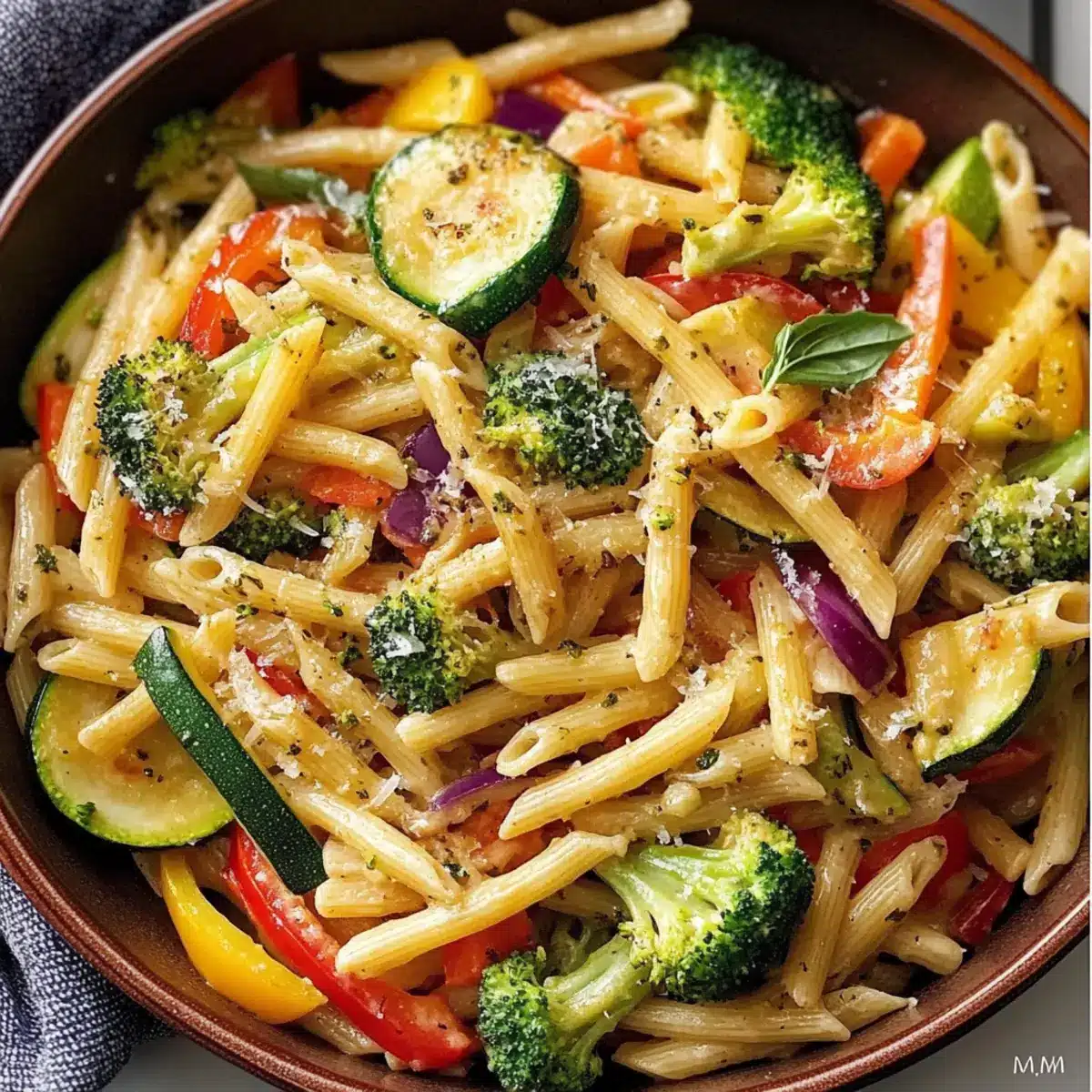
What to Serve with Pasta Primavera
As you savor every colorful bite, consider these delightful pairings to create a joyful, family-friendly meal that’s bursting with spring freshness.
-
Garlic Bread: This warm, buttery side adds a comforting crunch that perfectly complements the lightness of the pasta.
-
Mixed Green Salad: Tossed with a light vinaigrette, a fresh salad brings a refreshing contrast, enhancing the dish’s vibrant flavors.
-
Grilled Chicken: For those seeking protein, tender, grilled chicken breasts can elevate the meal, providing heartiness alongside the lightness of the Pasta Primavera.
-
Roasted Asparagus: The nutty, caramelized flavors of asparagus from the oven create a delightful texture that harmonizes beautifully with the sautéed vegetables.
-
Lemonade Spritzer: A fizzy, citrusy drink enhances the dish’s flavors, perfect for spring gatherings as it keeps the meal light and refreshing.
-
Cheesecake Bites: For dessert, rich cheesecake bites offer a sweet finish without being overly heavy, rounding out the meal on a delightful note.
Explore these options to construct your table full of warmth and flavor, ensuring every bite is a celebration of spring!
How to Store and Freeze Pasta Primavera
- Fridge: Store any leftover Pasta Primavera in an airtight container for up to 3 days. Reheat gently on the stovetop or in the microwave, adding a splash of water to maintain moisture.
- Freezer: For longer storage, freeze Pasta Primavera in a freezer-safe container for up to 2 months. Thaw overnight in the fridge before reheating.
- Reheating: When reheating, add a few tablespoons of water or olive oil to restore its freshness, and heat until warmed through for the best texture.
- Make-Ahead Tip: Vegetables can be prepped a day in advance. Store them separately in the fridge; combine with pasta just before serving to maintain crispness in your Pasta Primavera Recipe.
Expert Tips for Pasta Primavera Recipe
-
Cook Al Dente: Avoid mushy pasta by cooking until just al dente. It will absorb flavors and maintain a pleasant texture in your Pasta Primavera Recipe.
-
Uniform Cuts: Cut vegetables into similar sizes for even cooking. This ensures every bite delivers a consistent taste and beautiful presentation.
-
Don’t Overcrowd the Pan: Sauté in batches if necessary. Overcrowding can cause vegetables to steam instead of getting that lovely sautéed texture.
-
Manage Garlic Carefully: Garlic burns quickly—add it towards the end of your sautéing process. Keep stirring to avoid bitterness in your Pasta Primavera.
-
Reserve Pasta Water: The reserved pasta water adds depth to the sauce. Use it to help bind everything before serving for a luxurious finish.
Make Ahead Options
These Pasta Primavera preparations are ideal for busy home cooks looking to save time during the week! You can chop your vegetables (e.g., broccoli, bell peppers, zucchini, and carrots) up to 24 hours in advance, storing them in an airtight container in the refrigerator to maintain their crispness. Additionally, you can cook the pasta and toss it with a bit of olive oil to prevent sticking, refrigerating it for up to 3 days. When you’re ready to serve, simply sauté the vegetables, add in the cooked pasta with reserved water, and finish with lemon juice and Parmesan cheese for that fresh flavor. This way, you’ll have a delicious meal ready with minimal last-minute effort!
Pasta Primavera Recipe Variations
Feel free to customize the Pasta Primavera Recipe and make it your own with these exciting ideas and swaps!
-
Seasonal Veggies: Substitute any seasonal veggies like asparagus or snap peas based on what’s fresh and available.
-
Protein Packed: Add grilled chicken, shrimp, or chickpeas for a heartier dish that caters to the hungry ones at your table.
-
Pesto Twist: Swap out olive oil and garlic for a vibrant basil pesto to elevate the flavor and add an herbaceous kick.
-
Gluten-Free Option: Use gluten-free pasta made from brown rice or chickpeas to accommodate those with dietary restrictions without sacrificing taste.
-
Creamy Broccoli Version: Stir in some cream or a splash of coconut milk for a rich and velvety sauce that brings comfort to this dish.
-
Spice It Up: Add a pinch of cayenne or paprika to the sautéing vegetables for a delightful heat that complements the fresh veggies.
-
Nutty Flavor: Toss in a handful of toasted pine nuts or walnuts as a crunchy topping, enhancing both texture and flavor.
-
Cheesy Goodness: Replace Parmesan cheese with crumbled feta or goat cheese for a tangy twist that adds a creamy richness.
With these variations, there’s no limit to how you can enjoy this lovely Pasta Primavera! And if you’re exploring other delicious meals, don’t forget to check out Baked Chicken Thighs or try vibrant Cinnamon Roll Pancakes for a sweet treat!
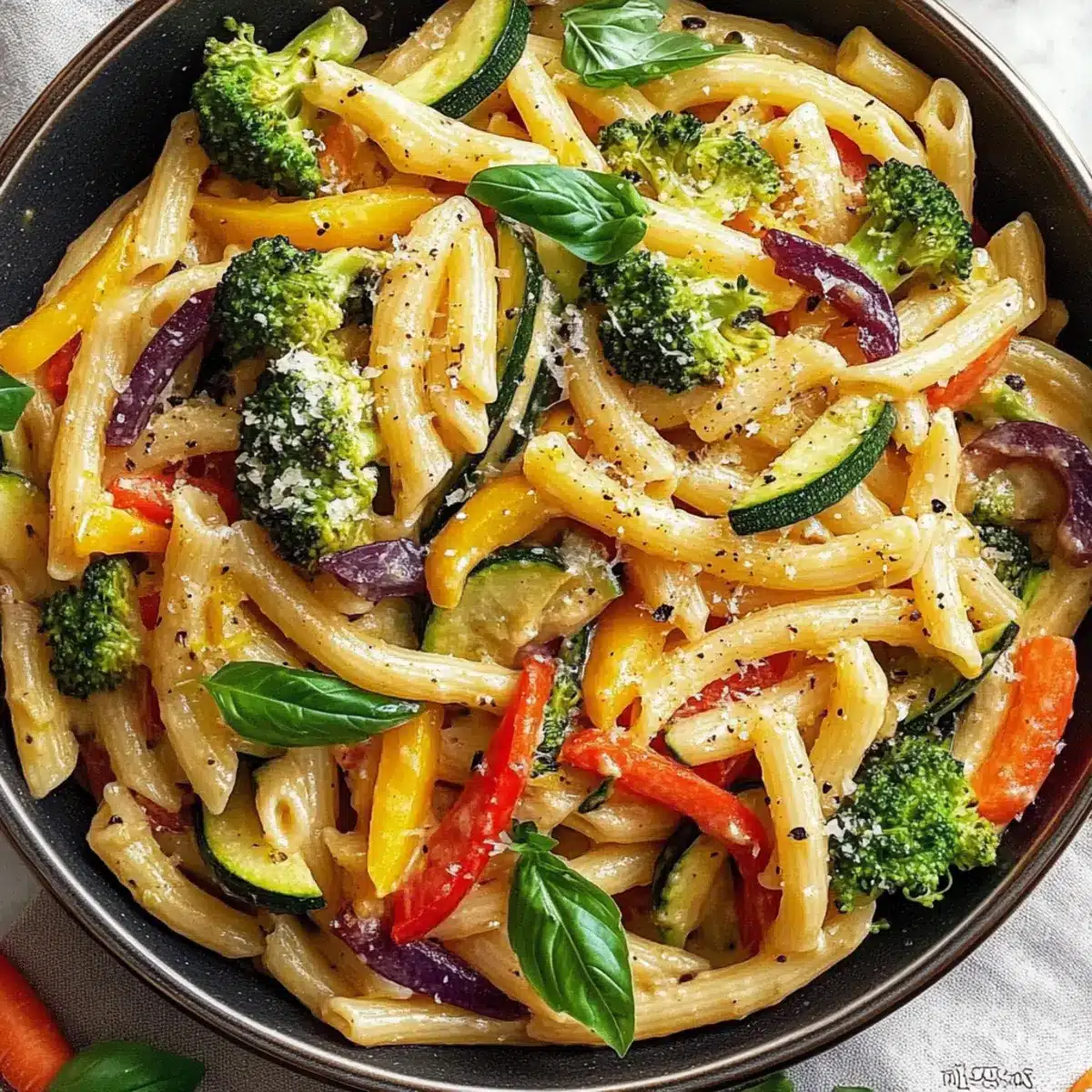
Pasta Primavera Recipe FAQs
What type of pasta is best for Pasta Primavera?
You can use any pasta shape you prefer for your Pasta Primavera, such as penne, fettuccine, or spaghetti. Each shape offers a different texture and bite, but I recommend choosing a pasta that holds onto the sauce and vegetables well, enhancing each delectable bite!
How can I tell if my vegetables are fresh?
Fresh vegetables will have vibrant colors and firm textures. For example, look for broccoli that is bright green with no yellowing, bell peppers that are smooth and shiny, and zucchini without dark spots or wrinkles. If vegetables have begun to wither or develop dark spots all over, they may not be at their best for your Pasta Primavera.
How do I store leftover Pasta Primavera?
Store any leftover Pasta Primavera in an airtight container in the refrigerator for up to 3 days. To reheat, gently warm it on the stovetop or in the microwave, adding a splash of water or olive oil to help maintain moisture and flavor.
Can I freeze Pasta Primavera?
Absolutely! You can freeze your Pasta Primavera in a freezer-safe container for up to 2 months. Be sure to cool it completely before freezing. When you’re ready to enjoy it again, thaw overnight in the fridge, then reheat gently, adding a splash of water if it seems dry.
Can I make this recipe gluten-free?
Yes, you can easily make a gluten-free Pasta Primavera! Substitute the pasta with gluten-free varieties available in stores, like brown rice or quinoa pasta. The rest of the ingredients are naturally gluten-free, but always check labels for any hidden gluten in seasoning blends or pre-packaged ingredients.
Is it safe to give Pasta Primavera to pets?
While some ingredients in Pasta Primavera, such as carrots and zucchini, are safe for pets in moderation, it’s best to avoid giving your pets any pasta, garlic, or onions. These ingredients can be harmful to dogs and cats, so stick to pet-safe snacks to keep them happy and healthy!
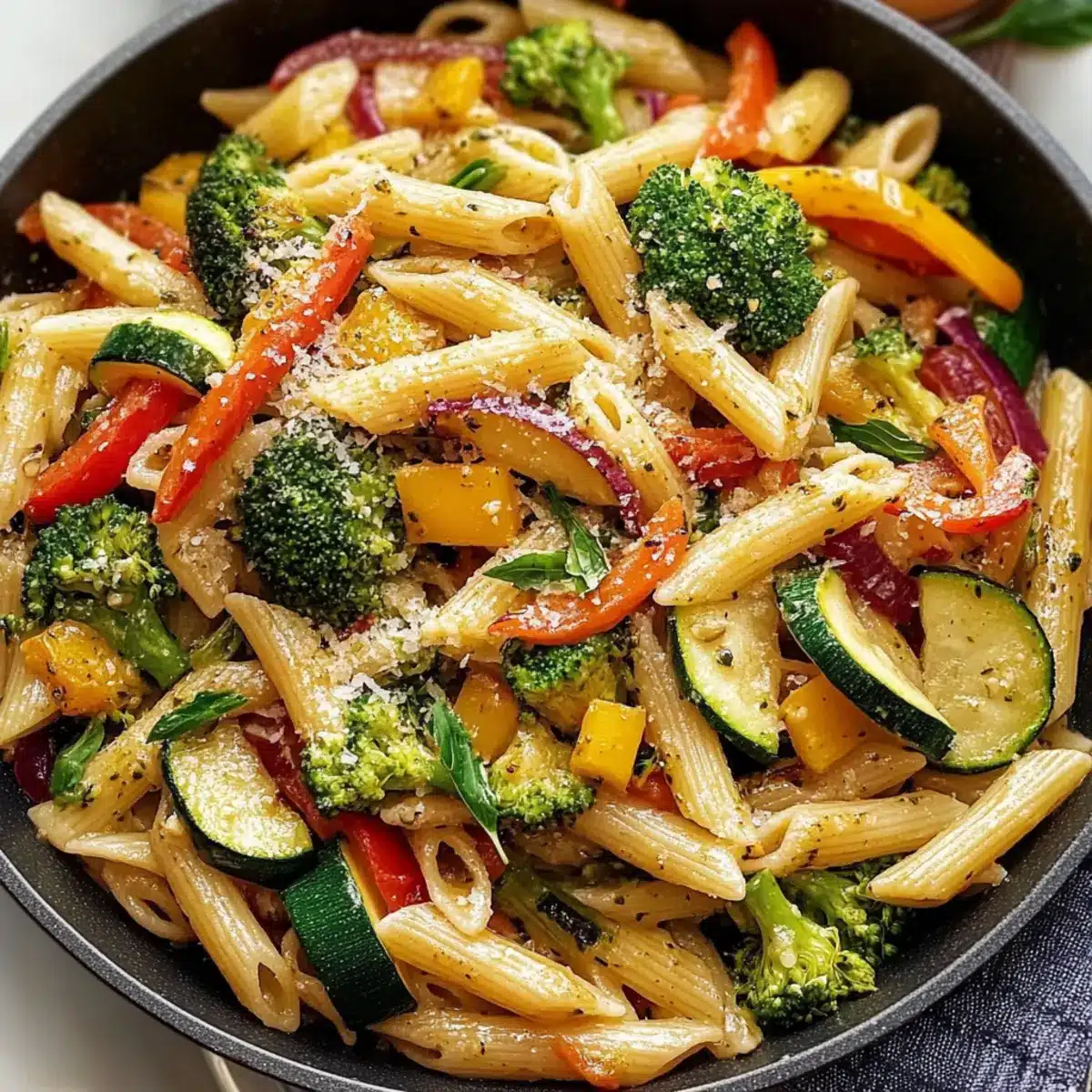
Fresh Pasta Primavera Recipe: A Vibrant Spring Delight
Ingredients
Equipment
Method
- Bring a large pot of well-salted water to a rolling boil. Add 12 oz of your chosen pasta and cook according to package instructions until al dente, about 8-10 minutes. Reserve ½ cup of the pasta water, then drain the pasta.
- While the pasta cooks, wash and slice your fresh seasonal vegetables uniformly—1 cup broccoli florets, 1 cup bell peppers, 1 cup sliced zucchini, and ½ cup sliced carrots.
- Heat 3 tablespoons of olive oil in a large skillet over medium heat. Add the sliced red onions and carrots; cook for about 2-3 minutes until softened. Then add the broccoli and bell peppers; sauté for 3-4 minutes until bright green and tender-crisp.
- Incorporate the sliced zucchini into the skillet and cook for 1-2 minutes, ensuring it maintains some crispness.
- Stir in 3 minced garlic cloves, ½ teaspoon Italian seasoning, ½ teaspoon salt, ¼ teaspoon black pepper, and ¼ teaspoon red pepper flakes. Sauté for about 30 seconds.
- Add the drained pasta and reserved pasta water to the skillet, tossing gently to combine all ingredients.
- Remove from heat and stir in 2 tablespoons of fresh lemon juice and ½ cup grated Parmesan cheese, tossing until cheese melts into a creamy sauce.
- Plate immediately, garnishing with fresh basil or parsley.
Leave a Reply