
As the scent of pandan wafts through my kitchen, I’m transported to the vibrant streets of Thailand where the air is filled with enticing aromas of street food. Today, I want to share my take on a delightful dessert that’s both gluten-free and absolutely heartwarming: Thai Coconut Custard, or Khanom Thuai. This charming treat features two luscious layers—a sweet pandan-infused base topped with a creamy, slightly salted coconut layer. Not only is it easy to prepare, but it’s also perfect for any gathering or quiet evening at home. Whether you enjoy it warm or chilled, each bite offers a tantalizing balance of flavors that’s truly comforting. Are you ready to dive into this unique culinary experience?
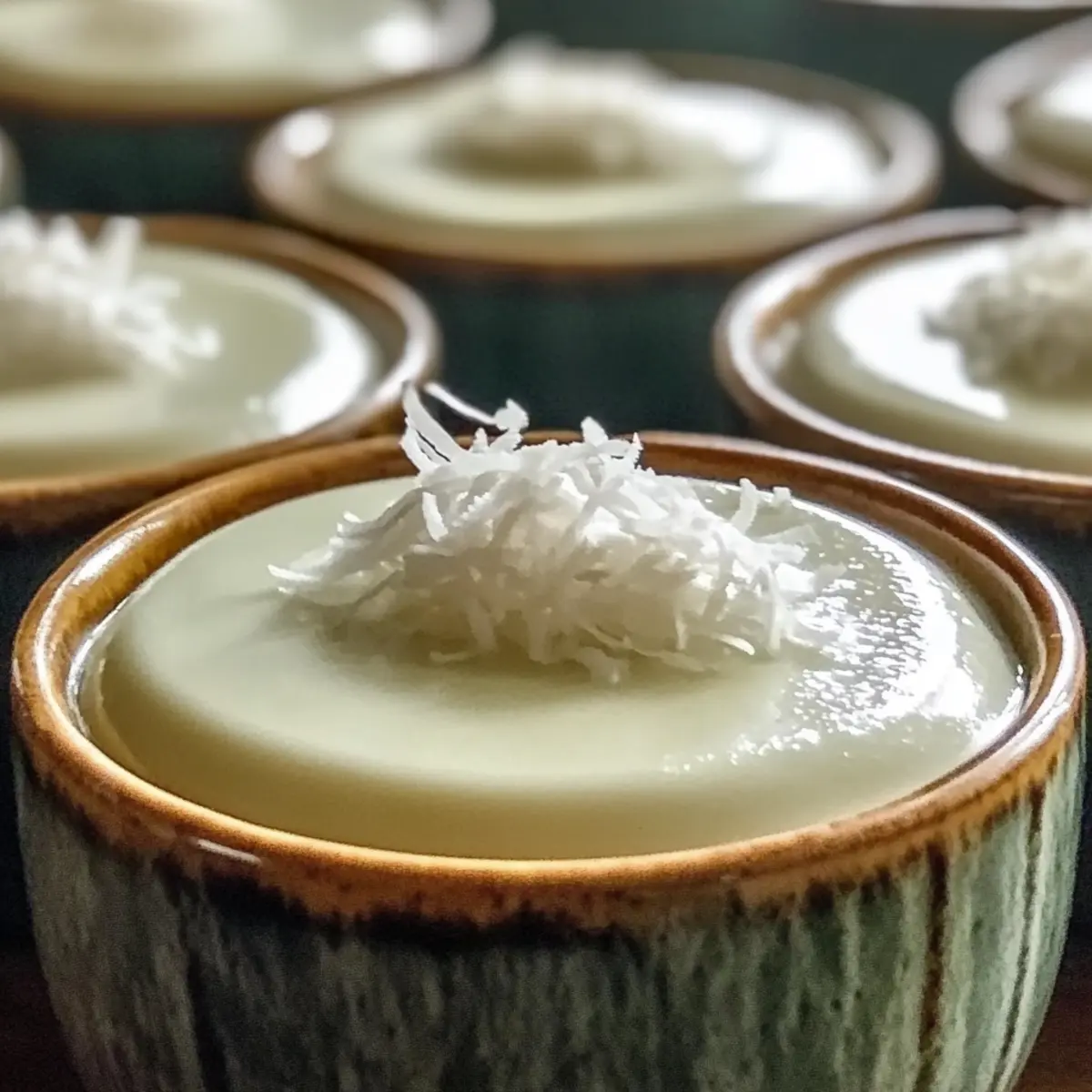
Why is Thai Coconut Custard So Irresistible?
Unique Layers: The delightful combination of sweet pandan-infused custard and a creamy, salty coconut topping makes each bite a flavor explosion.
Gluten-Free Joy: This dessert is naturally gluten-free, making it a guilt-free indulgence for everyone to enjoy!
Easy Preparation: With simple ingredients and straightforward steps, you can master this dish without any fuss.
Cultural Experience: Each serving of Khanom Thuai offers a taste of Thailand, transporting you to vibrant street food scenes right from your home kitchen.
Perfect for Sharing: Whether at a festive gathering or a cozy family dinner, this dessert is the perfect crowd-pleaser that leaves guests craving more!
Best enjoyed chilled for a refreshing treat, and if you’re looking for more Thai inspiration, check out our other delicious recipes like Brazilian Coconut Chicken.
Thai Coconut Custard Ingredients
• Discover the key components to create this delightful treat!
For the Custard Base
- Rice Flour – Essential for providing the perfect texture and structure to the custard.
- Tapioca Flour – Adds delightful chewiness; if you’re out, just use more rice flour as a substitute.
- Pandan Juice – Gives the custard a gorgeous color and distinct fragrance; made from blending fresh pandan leaves with water, or use diluted pandan extract if needed.
- Palm Sugar or Brown Sugar – Enhances sweetness with a rich, caramel-like flavor; palm sugar is traditional, but coconut sugar works beautifully too.
- Salt – A crucial ingredient that balances the sweetness, so be precise to achieve the right flavor.
For the Coconut Cream Topping
- Coconut Cream – This creates a rich and creamy top layer that’s slightly salty; coconut milk can be swapped in for a lighter texture.
With these ingredients for your Thai Coconut Custard, you’re one step closer to enjoying a taste of Thailand in your home!
Step‑by‑Step Instructions for Thai Coconut Custard
Step 1: Prepare Cups
Start by lightly greasing 12 small ceramic cups or a mini muffin pan with a bit of oil to prevent sticking. This step will ensure that your Thai Coconut Custard comes out smoothly after steaming. Set the prepared cups aside while you get the custard mixture ready, maintaining a clean workspace for easy assembling.
Step 2: Bottom Layer Mix
In a medium mixing bowl, whisk together the rice flour, tapioca flour, pandan juice, palm sugar, and salt until the mixture is perfectly smooth and free of lumps. This pandan-infused base is essential for your Thai Coconut Custard’s flavor and texture. Once mixed, it should have a thick but pourable consistency, ready to steam.
Step 3: Steam Bottom Layer
Pour the pandan mixture evenly into each of the greased cups, filling them about halfway. Place the cups in a steamer over medium heat, ensuring that the water does not touch the custards. Steam for 5–6 minutes, or until the base layer is just set and slightly firm to the touch. This step creates a solid foundation for the luscious coconut topping.
Step 4: Top Layer Mix
While the bottom layer is steaming, prepare the coconut cream topping. In another bowl, whisk together the coconut cream, rice flour, and a pinch of salt until the mixture is smooth and well combined. This creamy layer will be slightly salty, creating a delightful contrast to the sweetness of the base. Ensure there are no lumps for a perfect finish.
Step 5: Add Top Layer
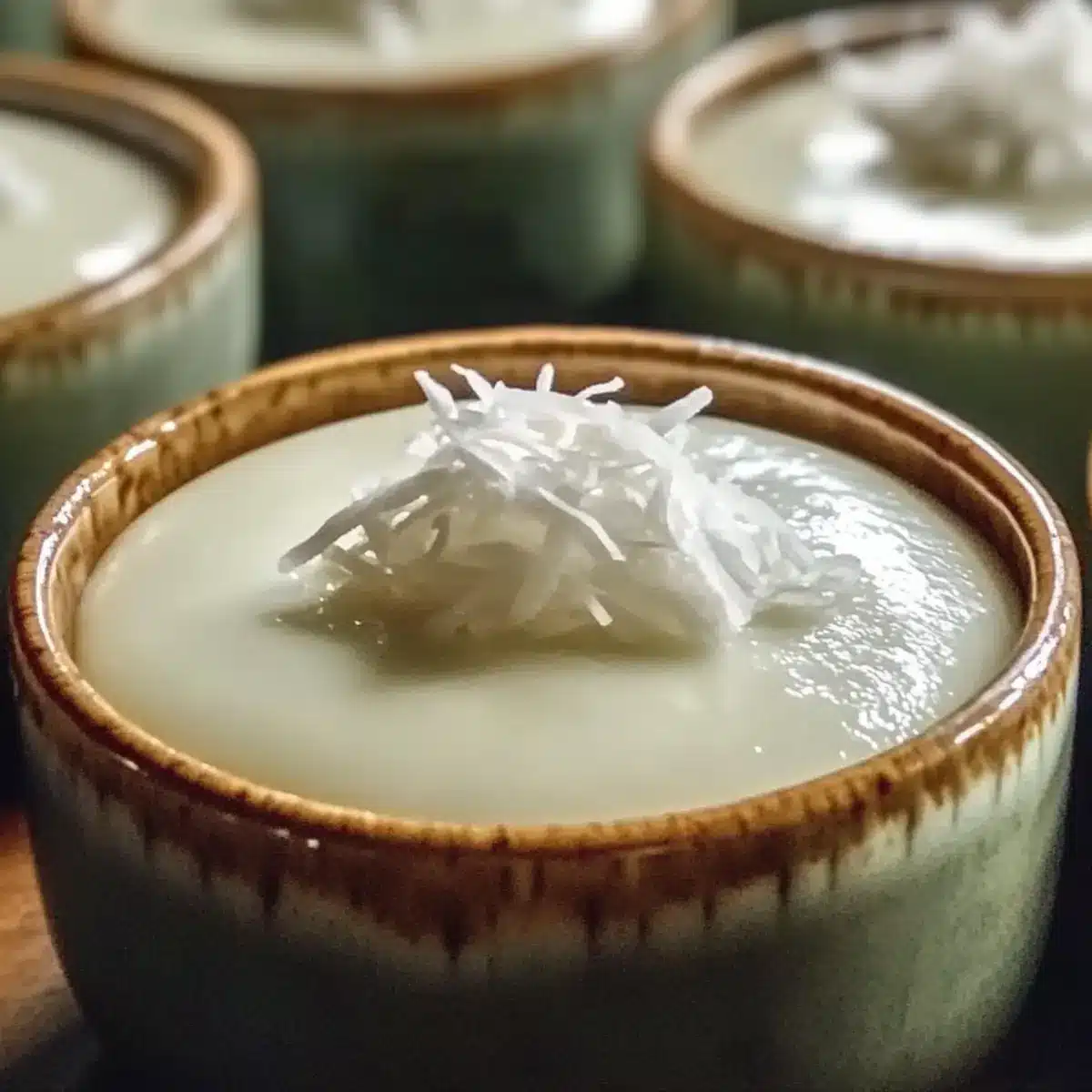
Once the bottom layer is set, carefully pour the coconut cream mixture over the steamed base in each cup. This adds the rich finishing touch to your Thai Coconut Custard. Return the cups to the steamer, and steam for an additional 5–7 minutes, or until the top layer is fully set and looks glossy.
Step 6: Cooling
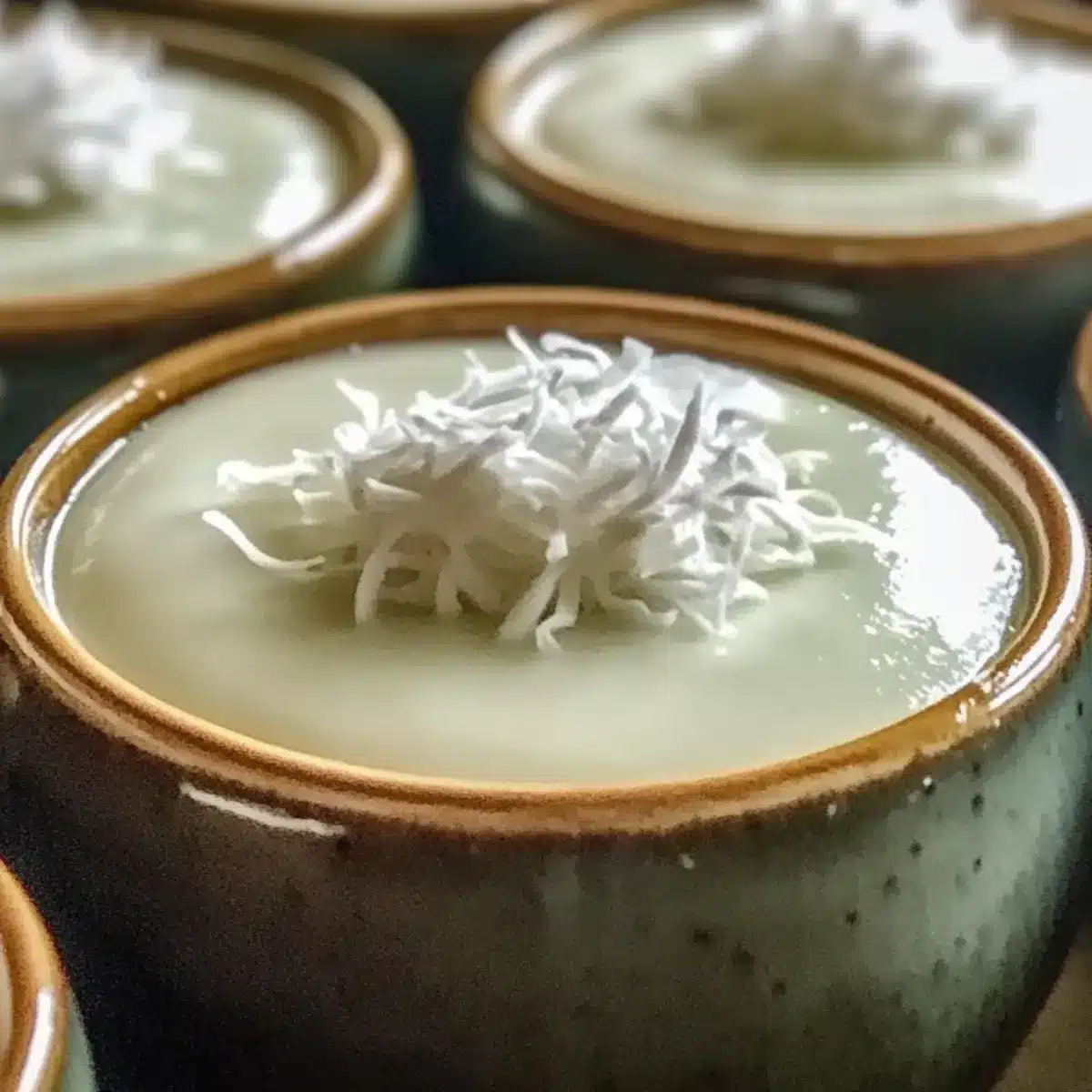
After steaming, remove the cups from the steamer and allow them to cool slightly at room temperature. This helps the layers to firm up a bit more before serving. You can serve the Thai Coconut Custard warm or chilled, making it a versatile dessert that’s delightful in any temperature.
How to Store and Freeze Thai Coconut Custard
Fridge: Store leftovers in an airtight container in the fridge for up to 2 days. Allow them to come to room temperature before serving again to maintain their delightful texture.
Freezer: While not ideal, you can freeze Thai Coconut Custard. Wrap individual cups tightly with plastic wrap and then place them in a freezer-safe bag for up to 1 month. Thaw in the fridge overnight before serving.
Reheating: To reheat, steam the custard cups for about 5 minutes until warmed through. This will help restore its creamy texture without drying it out.
Serving Tips: Enjoy the custard warm or chilled, as either way adds a delicious twist to this delightful dessert experience.
Make Ahead Options
These Thai Coconut Custard (Khanom Thuai) are perfect for meal prep enthusiasts seeking to save time on busy weeknights! You can prepare the bottom layer of the custard up to 24 hours in advance—simply mix and steam as instructed, then allow them to cool completely before refrigerating. The top layer can also be made ahead and stored in a separate container, keeping it fresh for up to 3 days. When ready to serve, gently reheat the bottom layer in the steamer for a few minutes and add the top layer before steaming again until fully set. This method ensures your dessert remains just as delicious and retains its beautiful texture, providing standout results with minimal effort!
What to Serve with Traditional Thai Coconut Custard?
As you indulge in this creamy delight, consider offering complementary dishes that enhance its unique flavors and elevate your dining experience.
-
Spicy Thai Curry: The bold spices of a rich curry beautifully contrast the sweet notes of the custard, creating a balanced meal. A fragrant massaman curry or green curry can be a perfect match.
-
Sautéed Green Vegetables: Quick-cooked greens like bok choy or Thai basil add a refreshing crispness, providing a lovely textural offset to the smooth custard.
-
Thai Mango Salad: The zesty flavors and a hint of sweetness from this salad elevate the dining experience, tying in those tropical vibes that resonate with the custard.
-
Coconut Rice: A side of fluffy, coconut-infused rice complements the dessert, echoing its creamy notes while keeping the meal cohesive. The slight sweetness enhances the custard’s flavor profile.
-
Fresh Fruit Platter: A selection of tropical fruits like pineapple, mango, and lychee adds freshness, lifting the meal with vibrant flavors that work well with the custard’s texture.
-
Sweet Thai Iced Tea: Pairing with a glass of sweetened Thai iced tea creates an inviting contrast, balancing the creaminess of the custard with its refreshing tea and hint of spice.
-
Coconut Jelly: This delightful dessert mirrors the coconut theme, presenting a fun and playful alternative that harmonizes beautifully with the custard.
-
Mung Bean Cake: This traditional snack adds a delightful chewy texture, enhancing your meal’s variety and celebrating the charm of Thai desserts.
Expert Tips for Thai Coconut Custard
-
Steaming Technique: Ensure the water in the steamer doesn’t touch the custard cups to prevent waterlogging and maintain texture integrity.
-
Easy Release: Use a small spoon to gently loosen the edges of the custard after steaming, ensuring an easy and clean removal from the cups.
-
Fresh Ingredients: For the most authentic flavor, opt for fresh pandan leaves when making pandan juice; it greatly enhances the aroma and taste of your Thai Coconut Custard.
-
Adjusting Quantities: If using larger ramekins, remember to increase the steaming time to ensure both layers set properly and evenly.
-
Cooling Time: Allow the custard to cool at room temperature for better texture and flavor development before serving, whether warm or chilled.
Thai Coconut Custard: Variations & Substitutions
Feel free to let your creativity flourish while making this delightful dessert; it’s all about personalizing the experience!
- Coconut Milk: Swap coconut cream for coconut milk for a lighter, less rich texture while still maintaining that lovely coconut flavor.
- Sweetener Swap: Experiment with honey or maple syrup instead of palm sugar for a unique sweetness profile; just adjust for consistency!
- Vanilla Essence: Add a splash of vanilla extract to the pandan layer for an aromatic boost that beautifully complements the coconut.
- Tropical Twist: Mix in a bit of finely grated lime or lemon zest for a zesty touch that brightens up the dessert. Try it; the citrus perfectly rounds out the sweet flavors!
- Chocolate Drizzle: For a decadent variation, drizzle some melted dark chocolate over the top after cooling for a fabulous flavor combination. Your taste buds will thank you!
- Fruity Layer: Incorporate fresh fruits like diced mango or berries into the bottom layer for a colorful and fruity surprise in each bite. This adds a delightful freshness!
- Nutty Crunch: Sprinkle some toasted coconut flakes or crushed nuts on top before serving for an earthy, crunchy texture that contrasts with the creamy layers.
- Spicy Kick: If you enjoy a little heat, consider adding a small pinch of cayenne or chili powder to the coconut layer for a warm finish. It’s a daring twist that’s surprisingly good!
For even more inspiration, don’t forget to check out our delicious Brazilian Coconut Chicken and other delightful recipes to elevate your cooking adventures!
Thai Coconut Custard Recipe FAQs
How do I select ripe ingredients for Thai Coconut Custard?
Absolutely! For the best flavor, make sure your pandan leaves are fresh and vibrant green—not dried or yellowed, which can indicate age. The palm sugar should be soft and slightly sticky, while the coconut cream should be fresh and creamy without any separation. Use quality rice flour for texture; look for brands that specifically mention it’s meant for desserts.
What’s the best way to store leftover Thai Coconut Custard?
Very! Store any leftovers in an airtight container in the refrigerator for up to 2 days. Make sure to let it return to room temperature before serving again; this helps to maintain its delightful soft texture, as chilling can cause it to firm up considerably.
Can I freeze Thai Coconut Custard?
Yes! For freezing, tightly wrap each cup with plastic wrap and place them in a freezer-safe bag. They can be frozen for up to 1 month. When you’re ready to enjoy them again, thaw in the fridge overnight and then steam for about 5 minutes to restore their creamy consistency.
What should I do if my custard layers don’t set properly?
Don’t worry! If your layers are too runny, it could indicate that the steaming time wasn’t long enough. Increase the steaming time by a few minutes next time—aim for an extra 3 minutes for each layer. Also, make sure the steaming water doesn’t touch the cups, as this can affect the cooking process. Steam until both layers look glossy and feel firm to the touch.
Is Thai Coconut Custard safe for those with food allergies?
Great question! This recipe is naturally gluten-free, but it does contain coconut, which could trigger allergies in some individuals. Always double-check with your guests about dietary restrictions. If you’re unsure about sugar types, feel free to substitute with other sweeteners like agave for a different flavor profile.
How long can I keep Thai Coconut Custard in the refrigerator?
You can keep it for up to 2 days in the fridge. Just remember to store it in an airtight container and allow it to come back to room temperature for the best experience. If the custard seems too cold or firm, steaming it briefly can help revive its texture.
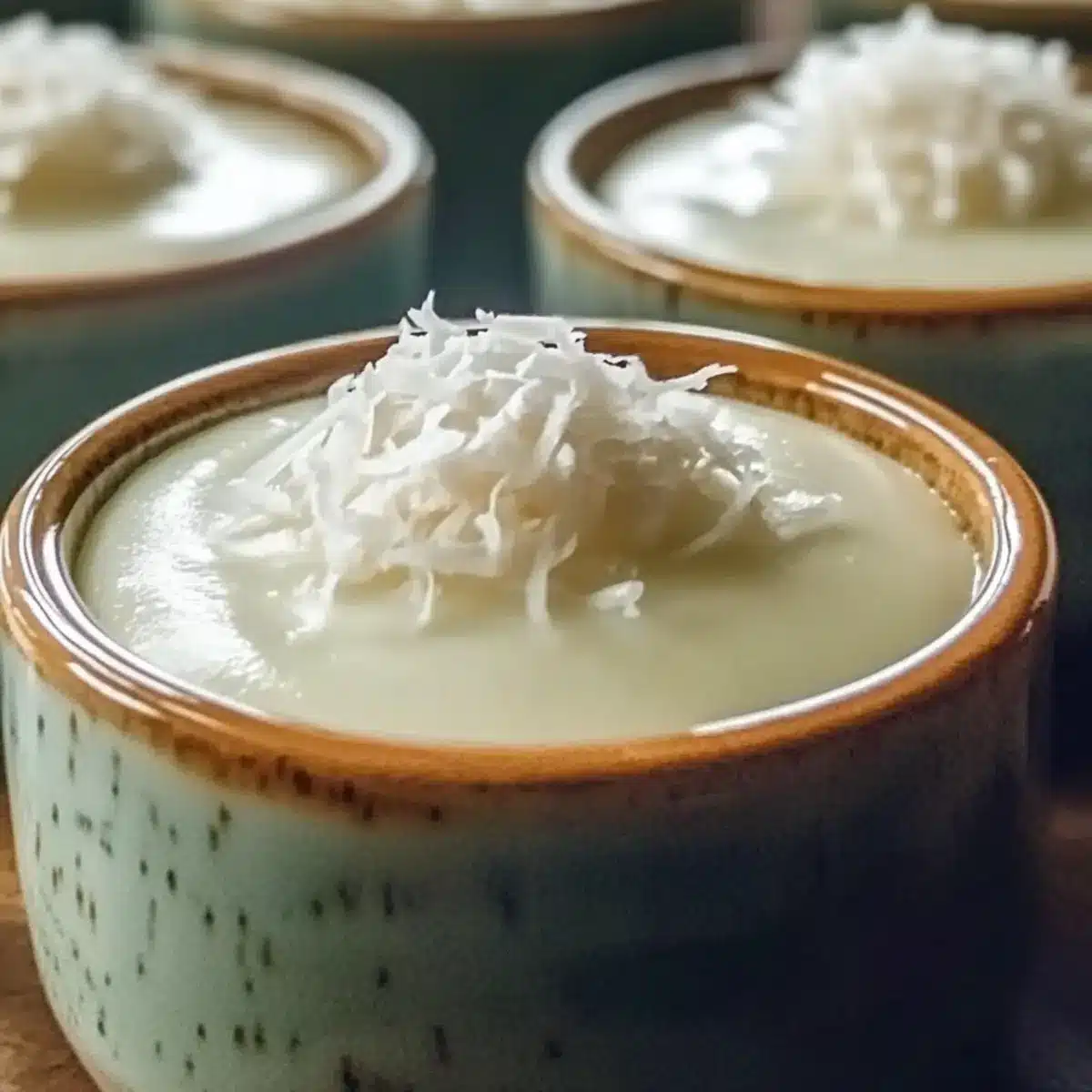
Delightful Thai Coconut Custard for Sweet, Savory Bliss
Ingredients
Equipment
Method
- Lightly grease 12 small ceramic cups or a mini muffin pan to prevent sticking. Set aside.
- In a bowl, whisk together the rice flour, tapioca flour, pandan juice, palm sugar, and salt until smooth.
- Pour the pandan mixture into the cups, filling them halfway. Steam for 5–6 minutes until set.
- In another bowl, whisk together the coconut cream, rice flour, and a pinch of salt until smooth.
- Carefully pour the coconut cream mixture over the steamed base and steam for an additional 5–7 minutes until glossy.
- Allow to cool slightly at room temperature before serving either warm or chilled.
Leave a Reply