
As I stood in my kitchen, garlic sizzling in the pan, I felt that familiar thrill of excitement that comes with creating something delicious. This Vegetable Lasagna is not just any pasta dish; it’s a vibrant, heartwarming meal packed with layers of colorful veggies that even the pickiest eaters can’t resist. Using no-boil noodles, you’ll get a beautifully succulent texture without the fuss of pre-cooking, making this dish not only a delightful crowd-pleaser but also the perfect make-ahead option for busy weeknights or festive gatherings. Each forkful promises comfort and satisfaction, challenging the notion that lasagna must be chunky or heavy. Are you ready to dive into this cheesy, veggie-filled masterpiece?
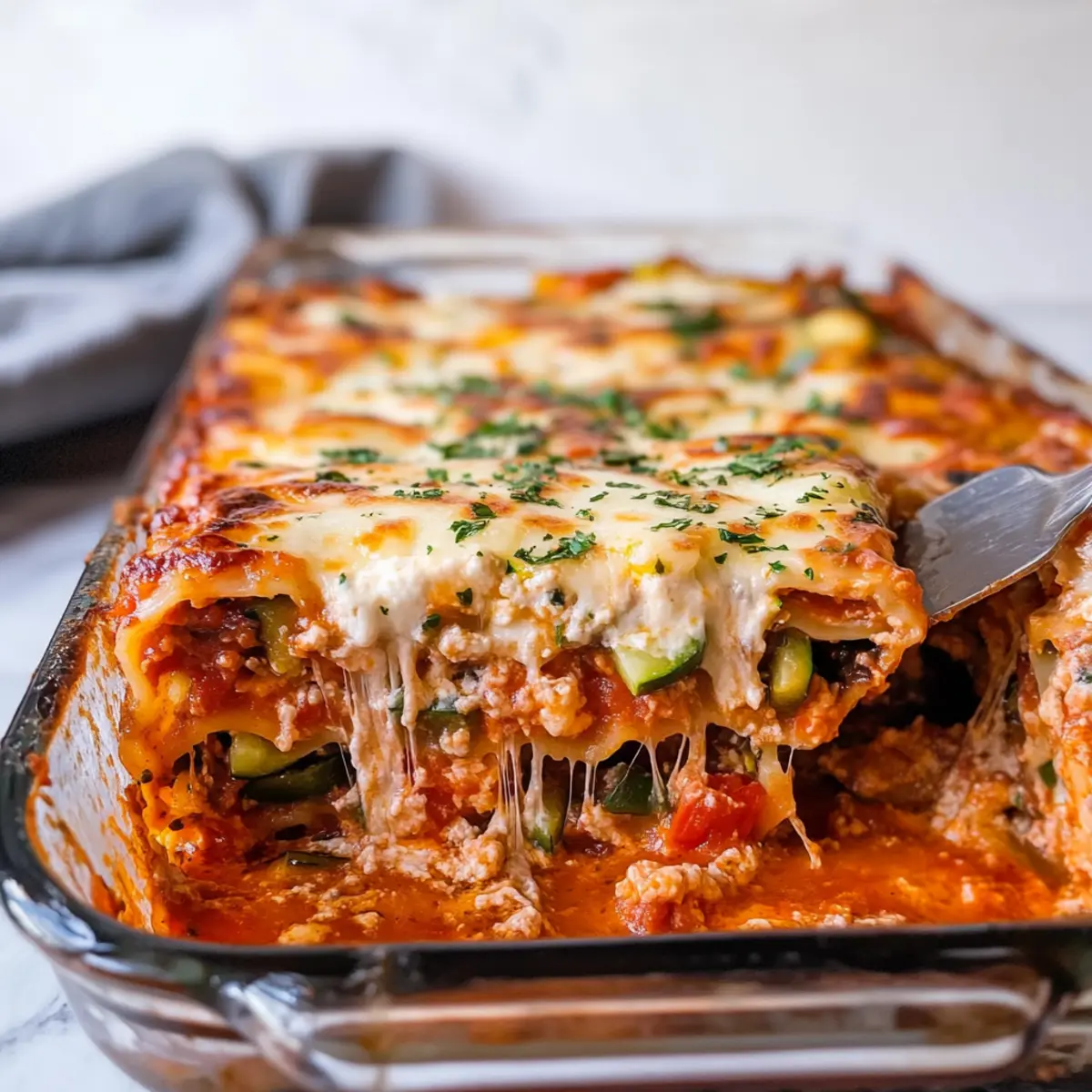
Why Is This Lasagna So Special?
Hearty and Satisfying: This Vegetable Lasagna is a crowd-pleaser, combining layers of fresh, colorful vegetables and rich marinara sauce for a dish everyone will love.
No-Boil Convenience: With no-boil noodles, you skip the hassle of cooking pasta separately, saving you time without sacrificing flavor.
Make-Ahead Wonder: Perfect for busy schedules, you can assemble it ahead of time and bake when you’re ready, making dinner stress-free for family gatherings or dinner parties.
Flavor Versatility: Customize it with your favorite veggies—add eggplant, zucchini, or even roasted red peppers for your unique spin, ensuring it’s never the same meal twice!
Cheesy Goodness: Each bite is a blend of creamy ricotta and gooey mozzarella, satisfying your cravings for comfort food without any meat. Enjoy a plateful and feel good about indulging!
Vegetable Lasagna Ingredients
For the Vegetable Filling
- Olive Oil – Adds moisture and flavor; substitute with any light cooking oil if desired.
- Chopped Yellow Onion (1 ½ cups) – Provides base flavor and sweetness; can replace with shallots for a milder taste.
- Red Bell Pepper (1) – Contributes sweetness and color; yellow or orange peppers are good substitutes.
- Cremini Mushrooms (8 ounces) – Adds earthiness and umami flavor; substitute with any preferred mushroom or omit for a lighter dish.
- Medium Zucchini (2, chopped into ½-inch pieces) – Adds texture and moisture; replace with eggplant or squash if preferred.
- Garlic (4 cloves, minced) – Enhances flavor; garlic powder can be used in a pinch.
- Fresh Parsley (¼ cup, chopped) – Brightness and freshness; substitute with basil for a different flavor profile.
- Baby Spinach (5 ounces, coarsely chopped) – Adds color and nutrition; kale or Swiss chard can be used instead.
For the Sauce
- Marinara Sauce (48 ounces) – Base sauce providing moisture and flavor; any preferred pasta sauce can substitute.
- Dried Italian Seasoning (1 teaspoon) – Adds a blend of herbal seasoning; use fresh herbs like basil or oregano instead.
- Salt & Pepper – Seasoning to taste.
- Crushed Red Pepper Flakes (2 pinches) – Adds heat; omit or adjust for preference.
For the Cheese Layers
- Egg (1) – Binds the ricotta together; omit if egg-free; it will still work without it.
- Ricotta Cheese (1 cup, 8 ounces) – Creaminess and structure; substitute with cottage cheese or a vegan ricotta.
- Shredded Mozzarella Cheese (16 ounces, about 4 cups) – Melts beautifully and adds creaminess; use a dairy-free cheese for a vegan option.
- Grated Parmesan Cheese (½ cup) – Provides a salty flavor and rich finish; can substitute with nutritional yeast for a vegan alternative.
For the Assembly
- No-Boil Lasagna Noodles (9) – Absorbs moisture during baking; traditional noodles can be used if additional sauce is added.
- Fresh Basil or Parsley (for serving) – Optional garnish for freshness.
Step‑by‑Step Instructions for Vegetable Lasagna
Step 1: Preheat and Sauté
Begin by preheating your oven to 375°F (190°C). In a large skillet, heat 2 tablespoons of olive oil over medium heat. Add 1 ½ cups of chopped yellow onion, 1 red bell pepper, 8 ounces of sliced cremini mushrooms, and 2 chopped medium zucchinis. Sauté this vibrant mix for about 7-8 minutes until softened, then stir in 4 minced cloves of garlic for the final 30 seconds of cooking.
Step 2: Make Sauce
Next, stir in 48 ounces of marinara sauce, along with 1 teaspoon of dried Italian seasoning, salt, and pepper to taste. Allow this delectable mixture to simmer on low heat for 10-15 minutes, giving the flavors time to meld beautifully. Just before removing it from the heat, mix in 5 ounces of coarsely chopped baby spinach until it’s wilted, turning the sauce into a colorful veggie-filled delight.
Step 3: Prepare Ricotta Mixture
While the sauce is simmering, take a large bowl and combine 1 cup of ricotta cheese with 1 beaten egg. Mix these two together until they are fully combined and creamy. This rich ricotta mixture will add a delicious layer to your Vegetable Lasagna, providing that creamy consistency everyone loves while binding the layers together beautifully.
Step 4: Layer Lasagna
In a 9×13 inch baking dish, start by spooning a thin layer of the prepared sauce along the bottom. Place 3 no-boil lasagna noodles on top, followed by another generous layer of sauce, dollops of the ricotta mixture, and a sprinkle of 1 ½ cups of shredded mozzarella and ½ cup of grated Parmesan cheese. Repeat the layering process until all ingredients are used, finishing with a layer of noodles topped with sauce and more mozzarella and Parmesan.
Step 5: Bake
Cover the assembled Vegetable Lasagna with foil (make sure to spray the underside of the foil with cooking spray to prevent sticking) and place it in your preheated oven. Bake for 35 minutes, then carefully remove the foil and continue to bake for an additional 10-15 minutes. You’re looking for a bubbly and golden appearance on the top, signaling it’s perfectly baked.
Step 6: Rest Before Serving
Once out of the oven, let the Vegetable Lasagna rest for about 15 minutes before slicing. This resting period allows the layers to set, making it easier to serve and ensuring that each slice holds its shape beautifully. Enjoy this heartwarming dish with friends and family!
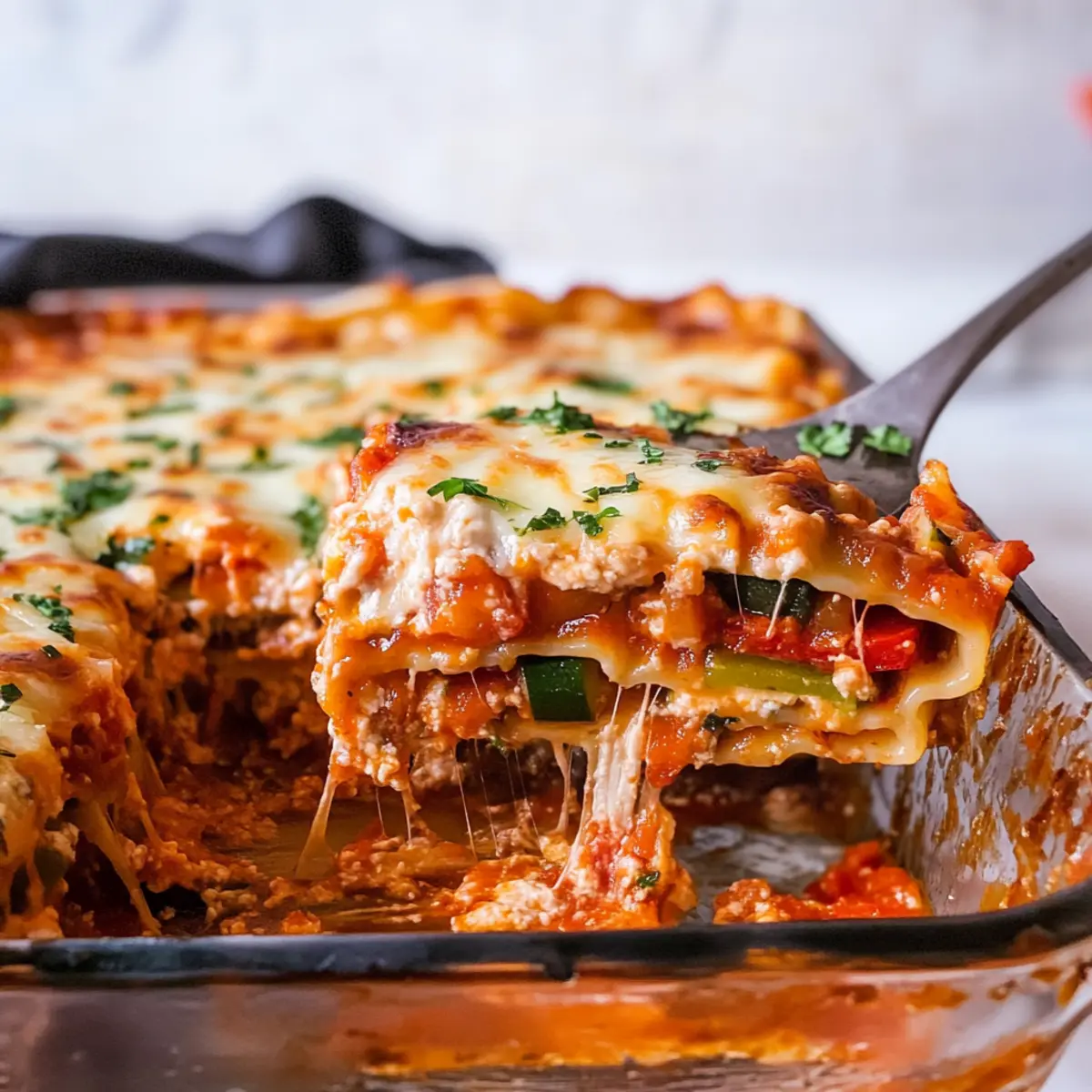
Expert Tips for Vegetable Lasagna
- No-Boil Necessity: Using no-boil noodles is key to avoid a soupy texture. If opting for traditional noodles, increase the sauce to keep it moist.
- Rest Time: Always let the lasagna rest for at least 15 minutes before serving; this helps the layers set and prevents it from being watery.
- Make Ahead: Assemble your vegetable lasagna the night before and store it in the refrigerator. Just add a bit of extra baking time if it’s chilled before cooking.
- Cheese Choices: For a lighter version, experiment with low-fat cheese options or up the veggies like eggplant and carrots.
- Flavor Boosting: Don’t hesitate to adjust spices and herbs—add a pinch of cayenne for extra heat or layer in some fresh basil for brightness.
Make Ahead Options
These Vegetable Lasagna layers are perfect for meal prep enthusiasts! You can assemble the entire dish up to 24 hours in advance and refrigerate it, allowing the flavors to meld beautifully. Simply follow the recipe steps until the baking stage, cover tightly with foil, and store in the fridge. For an even quicker turnaround, you can prepare the sauce and ricotta mixture separately; store them in airtight containers for up to 3 days. When you’re ready to serve, preheat the oven and bake directly from the fridge, adding about 10-15 minutes to the cooking time to ensure it’s warmed through, delivering a dish that tastes just as delicious as if it were freshly made!
What to Serve with Best Vegetable Lasagna
A delightful spread can elevate your Vegetable Lasagna into an unforgettable meal experience, bringing together vibrant flavors and textures.
- Garlicky Breadsticks: Soft and buttery, these pairs perfectly with the cheesy lasagna, providing a satisfying crunch.
- Mixed Green Salad: A fresh, crisp side salad brightens the plate with a zesty vinaigrette, balancing the richness of the lasagna beautifully.
- Roasted Vegetables: Seasonal roasted veggies, like carrots and bell peppers, add an extra layer of flavor and are a colorful complement to your dish.
- Creamy Caprese Salad: The lightness of fresh mozzarella, tomatoes, and basil harmonizes with the hearty lasagna while offering a refreshing contrast.
- Italian Antipasto Platter: A selection of olives, cheeses, and cured meats creates a delightful starter that invites everyone to enjoy the main event.
- Classic Tiramisu: For dessert, this rich, coffee-flavored treat layers sweetness perfectly after the savory dish, leaving your guests utterly satisfied.
Pairing thoughtfully enhances the break from traditional dining and ensures your Vegetable Lasagna shines as the star of the dining table!
How to Store and Freeze Vegetable Lasagna
Fridge: Keep leftovers in an airtight container for up to 3-4 days. Reheat individual portions in the microwave or cover and bake in the oven at 350°F until warmed through.
Freezer: For longer storage, freeze the lasagna for up to 3 months. Wrap tightly in plastic wrap and then in foil to prevent freezer burn.
Thawing: To enjoy frozen vegetable lasagna, transfer it to the fridge to thaw overnight before reheating.
Reheating: Reheat in the oven at 350°F for about 25-30 minutes, or until heated through. Cover with foil to keep it moist.
Vegetable Lasagna Variations & Substitutions
Feel free to get creative and put your own spin on this delightful recipe with any of these tasty variations!
- Gluten-Free: Use gluten-free no-boil lasagna noodles for a celiac-safe alternative without sacrificing flavor or texture.
- Dairy-Free: Substitute ricotta and mozzarella with vegan cheese for a plant-based option that everyone can enjoy.
- Spice it Up: Add fresh jalapeños or a sprinkle of cayenne pepper to the filling for an extra kick. Your taste buds will thank you!
- Veggie Medley: Swap out your vegetables for others like asparagus, roasted red peppers, or even butternut squash to keep it fresh and exciting each time.
- Cheesy Layers: For a richer flavor, mix in different types of cheese like feta or gouda. These small changes can make a big difference!
- Herbal Twist: Experiment with fresh herbs such as thyme or rosemary in your sauce for a delightful aroma and taste that will elevate the dish.
- Make-Ahead Magic: Prepare the lasagna the night before, refrigerate, and simply heat it up when you’re ready to serve. A true lifesaver for busy evenings!
- Layer Variety: Try adding a layer of pesto or a béchamel sauce between noodles for a creamy and savory surprise. It adds a whole new depth to your lasagna joys!
Check out these links for more vibrant vegetable inspiration: Marry Roasted Vegetable, Healthy Sauteed Vegetables, and Healthy Sauteed Vegetables. Enjoy exploring new flavors!
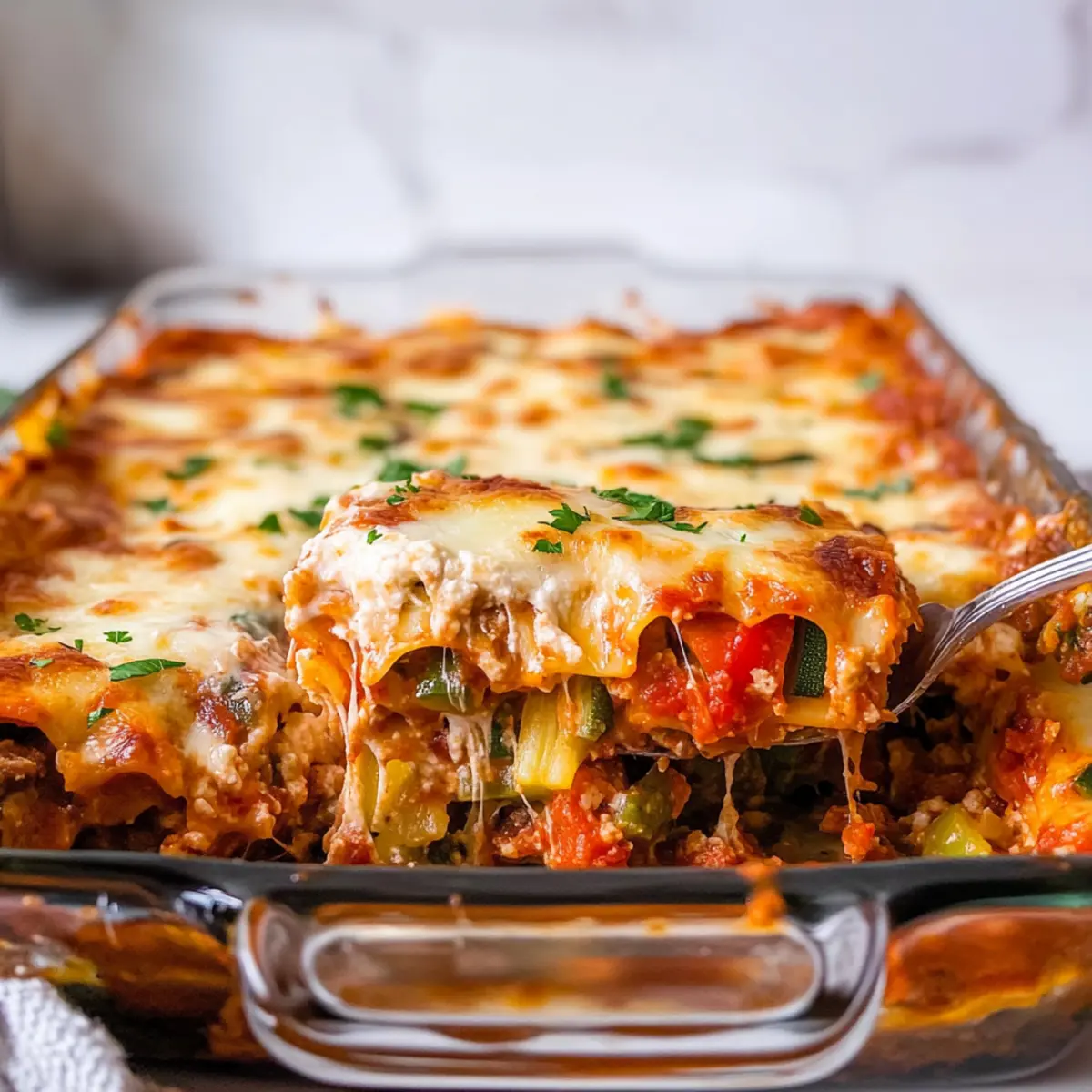
Vegetable Lasagna Recipe FAQs
How do I choose ripe vegetables for my lasagna?
Absolutely! When selecting vegetables, look for those that are firm and vibrant. For zucchini, it should feel heavy for its size and have a glossy skin. Bell peppers should have smooth skin without blemishes, and cremini mushrooms should be plump with a slightly dark underside. Avoid any with dark spots or signs of slime.
How should I store leftover vegetable lasagna?
Very simply! Store your leftovers in an airtight container in the fridge, where they’ll stay fresh for up to 3-4 days. If you’re looking to enjoy it later, remember to cool it completely before covering and refrigerating. For individual portions, you can also use glass meal prep containers for easy reheating.
Can I freeze vegetable lasagna, and how?
Definitely! Freezing is a great option for vegetable lasagna. Let it cool completely, then wrap it tightly with plastic wrap and aluminum foil to prevent freezer burn. It can stay frozen for up to 3 months. When ready to enjoy, transfer it to the fridge to thaw overnight. To reheat, bake at 350°F for 25–30 minutes, covered with foil to retain moisture.
What should I do if my lasagna turns out too watery?
Oh no! If your vegetable lasagna ends up too watery, it could be due to excess moisture from the veggies. To troubleshoot this, make sure to sauté your vegetables until they’re softened but not watery. If you’ve followed the steps correctly and still run into this issue, let the lasagna rest longer—up to 20 minutes—so the layers can firm up before slicing. This will help absorb any excess moisture as it sets.
Is this vegetable lasagna allergy-friendly?
Yes, it can be adaptable! For gluten-free diners, use gluten-free no-boil noodles. If someone is lactose intolerant or avoiding dairy, substitute the ricotta and mozzarella with dairy-free alternatives, like cashew cheese or tofu-based ricotta. Just ensure to double-check all ingredient labels to keep everyone safe and happy!
How can I make this dish more nutritious?
The more the merrier! You can load up your lasagna with even more veggies, like roasted broccoli, bell peppers, or carrots to boost vitamins and fiber. Using low-fat cheese or incorporating lentils for extra protein can also enhance its nutritional profile while maintaining that satisfying taste. So don’t hesitate to experiment!

Irresistible Vegetable Lasagna: Comfort Food Made Easy
Ingredients
Equipment
Method
- Preheat your oven to 375°F (190°C). In a large skillet, heat olive oil over medium heat. Add chopped onion, red bell pepper, sliced mushrooms, and chopped zucchinis. Sauté for about 7-8 minutes until softened, then stir in minced garlic for the final 30 seconds.
- Stir in marinara sauce, dried Italian seasoning, salt, and pepper. Allow to simmer on low heat for 10-15 minutes, then mix in coarsely chopped spinach until wilted.
- Combine ricotta cheese with beaten egg and mix until creamy.
- In a baking dish, spoon a layer of sauce, followed by noodles, more sauce, dollops of ricotta mixture, and shredded cheese. Repeat the layering until all ingredients are used, finishing with a layer of noodles and sauce.
- Cover with foil and bake for 35 minutes, then remove foil and bake for an additional 10-15 minutes until bubbly and golden.
- Let the lasagna rest for about 15 minutes before slicing to allow layers to set.
Leave a Reply