
As I stirred the simmering pot in my kitchen, the rich aroma of ginger and garlic wafted through the air, transporting me to a bustling street market in Seoul. That’s the magic of my Korean Beef Noodles—an ultimate comfort dish that combines tender beef with a savory, slightly sweet broth, all lovingly prepared in a slow cooker. Not only is this recipe incredibly satisfying, but it also takes the stress out of weeknight dinners, allowing you to set it and forget it. Picture a cozy evening at home, with a steaming bowl in front of you, perfect for sharing with loved ones or savoring all to yourself. Ready to dive into this delightful culinary experience? Let’s get cooking!
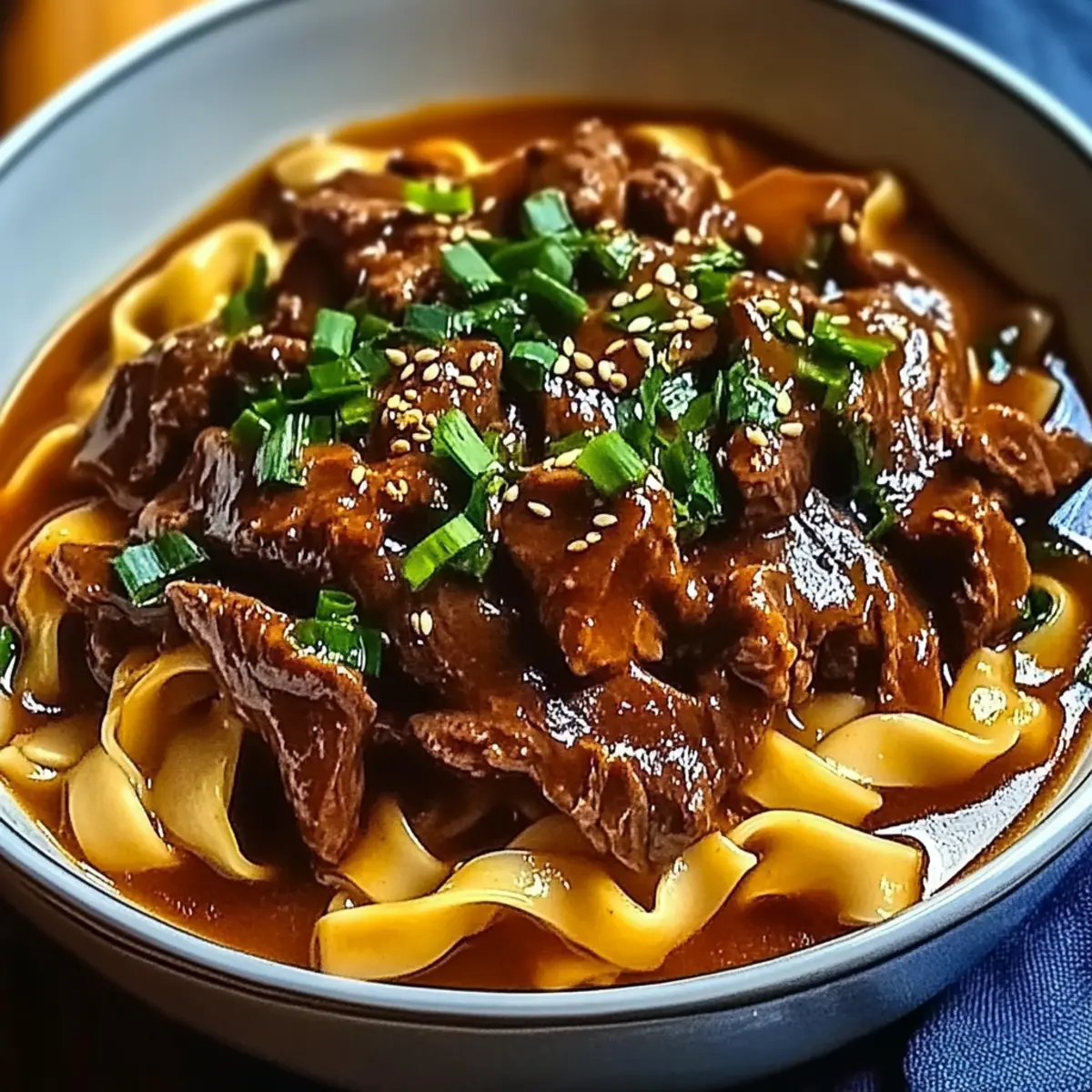
Why Will You Love Korean Beef Noodles?
Ultimate Comfort: This dish wraps you in warmth, making it a go-to for chilly nights when you need a little extra cozy.
Slow Cooker Ease: Simply set it and forget it! This recipe allows you to enjoy a home-cooked meal without the stress of constant monitoring.
Flavor Explosion: The harmonious blend of ginger, garlic, and gochujang creates a savory broth that dances on your palate, bringing the soul of Korean cuisine to your table.
Versatile Options: Whether you’re craving classic udon or looking for a low-carb zoodle alternative, you can easily customize the noodles to fit your craving.
Crowd-Pleaser: Perfect for family dinners or entertaining friends, everyone will be asking for seconds of this delightful dish! Pair it with a fresh salad or even some Garlic Chicken Noodles for a well-rounded feast.
Korean Beef Noodles Ingredients
For the Beef
• Beef Chuck – This tender cut melts in your mouth when slow cooked; brisket or flank steak can be delicious alternatives.
For the Broth
• Beef Broth – Provides a rich, deep flavor essential for the sauce; vegetable broth can make it lighter.
• Water – Adjusts the broth consistency; can be fully substituted with more beef broth for extra richness.
• Soy Sauce – Adds umami and balances the dish; consider low-sodium soy sauce for a healthier option.
• Brown Sugar – Sweetens the broth to balance savory notes; maple syrup is a fantastic substitute for a different flavor.
• Ginger – Delivers warmth and zest; fresh ginger shines, while ground ginger is a handy backup—just use less.
• Garlic – Boosts flavor delightfully; fresh garlic is ideal, but garlic powder works in a pinch.
• Sesame Oil – Accentuates the dish with a nutty essence; olive oil can be used as an alternative.
• Black Pepper – Adds a hint of heat; feel free to adjust it to taste, or swap for white pepper.
• Gochujang – Infuses the dish with heat and a unique flavor twist; Sriracha can serve as a spicy alternative.
For the Noodles
• Noodles (Udon or Ramen) – Fluffy comfort at the base of the dish; switch to zucchini noodles for a low-carb option.
For the Garnish
• Green Onions – Provide fresh crunch; chives can be a delightful substitute if you’re out.
• Sesame Seeds – Optional topping for delightful texture; feel free to omit if you don’t have any on hand.
• Fresh Cilantro – Adds a burst of freshness; parsley can work well if cilantro isn’t your favorite.
Enjoy making these Korean Beef Noodles, and let the intriguing flavors bring comfort and joy to your dining experience!
Step‑by‑Step Instructions for Korean Beef Noodles
Step 1: Prepare the Beef
Begin by trimming and seasoning 2 pounds of beef chuck with a generous sprinkle of black pepper. This step enhances the beef’s flavor and ensures it becomes tender during cooking. Cut the beef into large chunks, making it easier to handle. Set aside while you gather the other ingredients for your Korean Beef Noodles.
Step 2: Mix the Sauce
In a large mixing bowl, combine 4 cups of beef broth, 1 cup of soy sauce, ¼ cup of brown sugar, 2 tablespoons of minced ginger, and 6 cloves of minced garlic. Add 1 tablespoon of sesame oil and 1-2 tablespoons of gochujang, adjusting to your spice preference. Stir the mixture until the sugar is fully dissolved, creating a rich, flavorful sauce that will infuse your dish with authentic Korean flavors.
Step 3: Combine in Slow Cooker
Place the seasoned beef chunks into your slow cooker, spreading them out evenly. Pour the prepared broth mixture over the beef, ensuring that all pieces are well-coated. This step is crucial for drawing out the rich flavors as the beef cooks low and slow. Cover the slow cooker with its lid, ready for the next step!
Step 4: Cook
Set your slow cooker to the low setting and let it cook for 6-8 hours or high for 3-4 hours. Check for tenderness; the beef should easily shred when it’s ready. This slow cooking process creates melt-in-your-mouth Korean Beef Noodles, allowing the flavors to meld beautifully as it simmers.
Step 5: Prepare Noodles
About 15-20 minutes before serving, cook your choice of noodles—udon or ramen—according to the package instructions. Drain them once cooked and set aside. The noodles will soak up the savory broth while paired with tender beef, completing your heartwarming dish.
Step 6: Combine Ingredients
Once the beef is tender, add the cooked noodles directly into the slow cooker. Gently stir the mixture to ensure the noodles absorb the flavorful broth and get evenly coated. Let the mixture sit for a few minutes to warm the noodles through, enhancing the overall flavor of your Korean Beef Noodles.
Step 7: Serve
Ladle the hearty mixture into bowls, garnishing with freshly sliced green onions, a sprinkle of sesame seeds, and a handful of cilantro if desired. This final touch adds a wonderful crunch and freshness, elevating the dish. Your Korean Beef Noodles are now ready to be enjoyed!
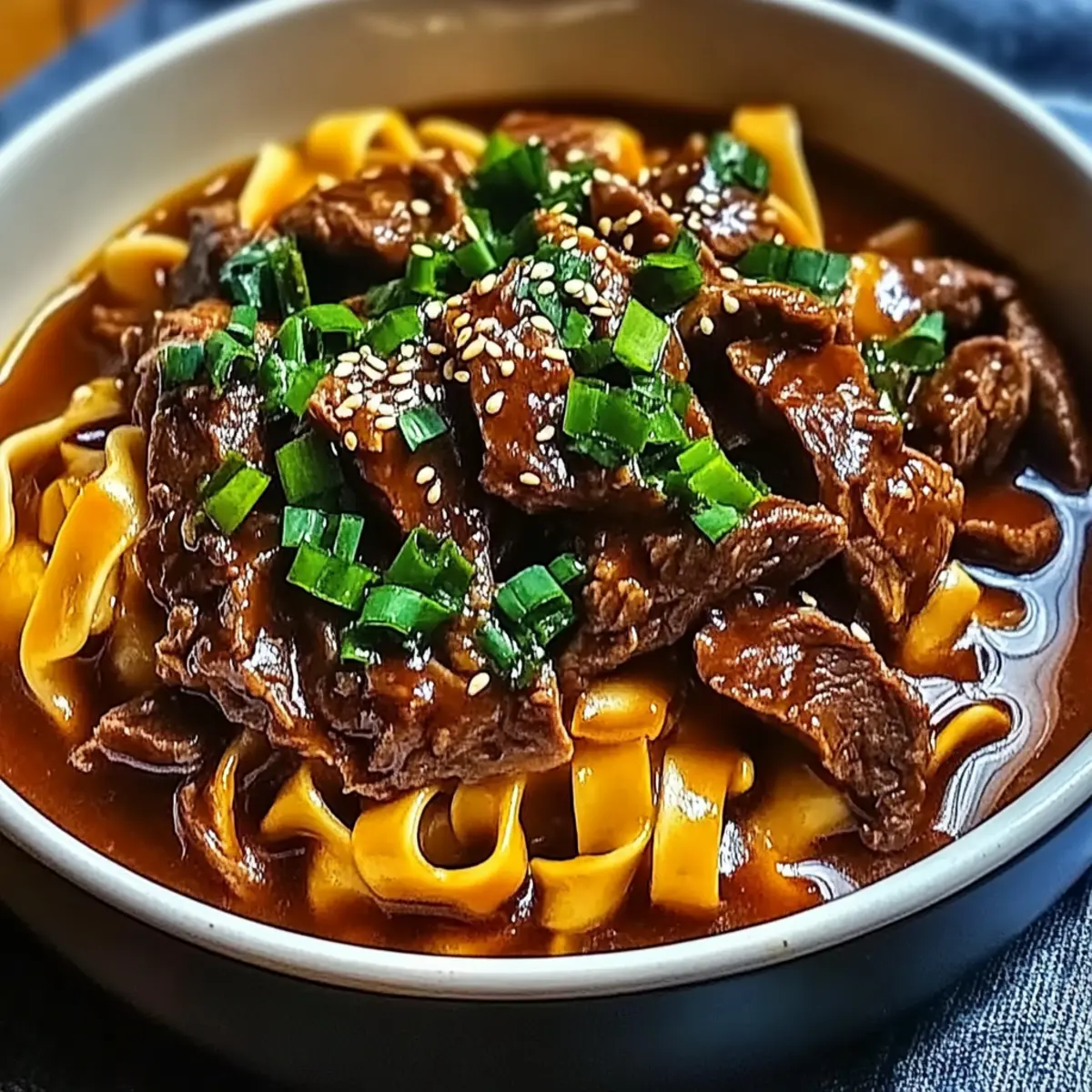
How to Store and Freeze Korean Beef Noodles
Fridge: Store leftover Korean Beef Noodles in an airtight container for up to 3 days. Make sure the noodles are covered with broth to keep them moist.
Freezer: Place completely cooled Korean Beef Noodles in a freezer-safe container for up to 3 months. Consider separating noodles and broth for best texture upon reheating.
Reheating: Thaw frozen noodles overnight in the fridge. Reheat on the stovetop over low heat, adding a splash of beef broth or water to restore moisture and flavor.
Airtight Guidance: Always ensure your containers are airtight to prevent freezer burn and maintain the dish’s delicious flavors.
What to Serve with Korean Beef Noodles
As you savor each spoonful of the rich, aromatic broth, consider how to craft a complete meal that complements this comforting dish beautifully.
- Steamed Broccoli: This light, crunchy vegetable offers a fresh contrast to the tender noodles, providing nutrition and vibrant color to your plate.
- Korean Pickled Vegetables: A side of tangy kimchi or pickled radishes will elevate your meal, adding a delightful zing that balances the savory richness of the beef.
- Sesame Spinach Salad: Toss fresh spinach with sesame oil and rice vinegar for a refreshing side that brings a nutty flavor, perfectly harmonizing with your bowl of Korean Beef Noodles.
- Cucumber Salad: A light, crunchy cucumber salad drizzled with sesame dressing provides a cool, crisp bite, perfect for cutting through the comforting richness of the noodles.
- Garlic Bread: The buttery, garlicky goodness of garlic bread pairs perfectly with any noodle dish, inviting you to mop up every last bit of the tasty broth.
- Rice: A side of fluffy steamed rice can help soak up the delightful sauce from the beef noodles, creating an extra layer of comfort in your meal.
- Fruit Dessert: Finish your dinner on a sweet note with fresh fruit or a light sorbet, cleansing your palate and refreshing your taste buds after a savory feast.
- Soju or Green Tea: Sip on a traditional Korean beverage like soju for a full cultural experience, or opt for soothing green tea to aid digestion and enhance the meal’s flavors.
Korean Beef Noodles Variations & Substitutions
Feel free to make this cozy dish your own with these delightful twists and adjustments!
-
Gluten-Free: Swap traditional noodles for rice noodles to enjoy this dish without gluten while still savoring every bite.
-
Vegetarian Delight: Use tofu or tempeh instead of beef and replace beef broth with vegetable broth for a flavorsome vegetarian version.
-
Extra Veggies: Add julienned carrots, bell peppers, or bok choy to the slow cooker for added nutrition and color to your meal.
-
Spice It Up: If you love heat, go ahead! Toss in some sliced fresh chilies or increase the amount of gochujang to make it sing.
-
Creamy Twist: Stir in a splash of coconut milk at the end for a richer, creamier broth that adds warmth and depth to the dish.
Picture enjoying your Korean Beef Noodles with some comforting Garlic Chicken Noodles on the side for a truly delightful feast!
-
Crispy Topping: For a unique touch, roast some sliced shallots or garlic until crispy and sprinkle them on top for an unexpected crunch.
-
Herb Infusion: Replace cilantro with fresh basil or mint for a different herbal flavor that adds brightness and freshness at the last minute.
No matter how you decide to adapt the recipe, it promises to remain a warm hug in a bowl, perfect for everyone to enjoy!
Make Ahead Options
Korean Beef Noodles are perfect for busy home cooks seeking convenient meal prep options! You can season and prepare the beef chuck (2 pounds) and mix the flavorful sauce up to 24 hours in advance. Simply store them separately in the refrigerator to maintain freshness. Additionally, you can cook the noodles ahead of time and refrigerate them for up to 3 days; just drizzle a bit of oil to prevent them from sticking together. When you’re ready to serve, reheat the beef in the slow cooker on low for a couple of hours until warmed through, then add the noodles and incorporate them gently. This way, you can enjoy a delicious, home-cooked meal with minimal effort!
Expert Tips for Korean Beef Noodles
-
Beef Preparation: Ensure your beef chuck is well-trimmed to remove excess fat, which enhances flavor and tenderness as it cooks.
-
Cook Low and Slow: Don’t rush the slow cooking process; allowing the beef to cook low and slow helps achieve that melt-in-your-mouth texture.
-
Spice Adjustment: Feel free to adjust the amount of gochujang based on your spice preference; start with less and add more for extra heat in your Korean Beef Noodles.
-
Noodle Timing: Be mindful of when you add your noodles; cooking them just before serving preserves their texture and prevents them from getting mushy.
-
Storage Tips: If you have leftovers, store them in an airtight container in the fridge and enjoy your Korean Beef Noodles within three days for the best flavor.
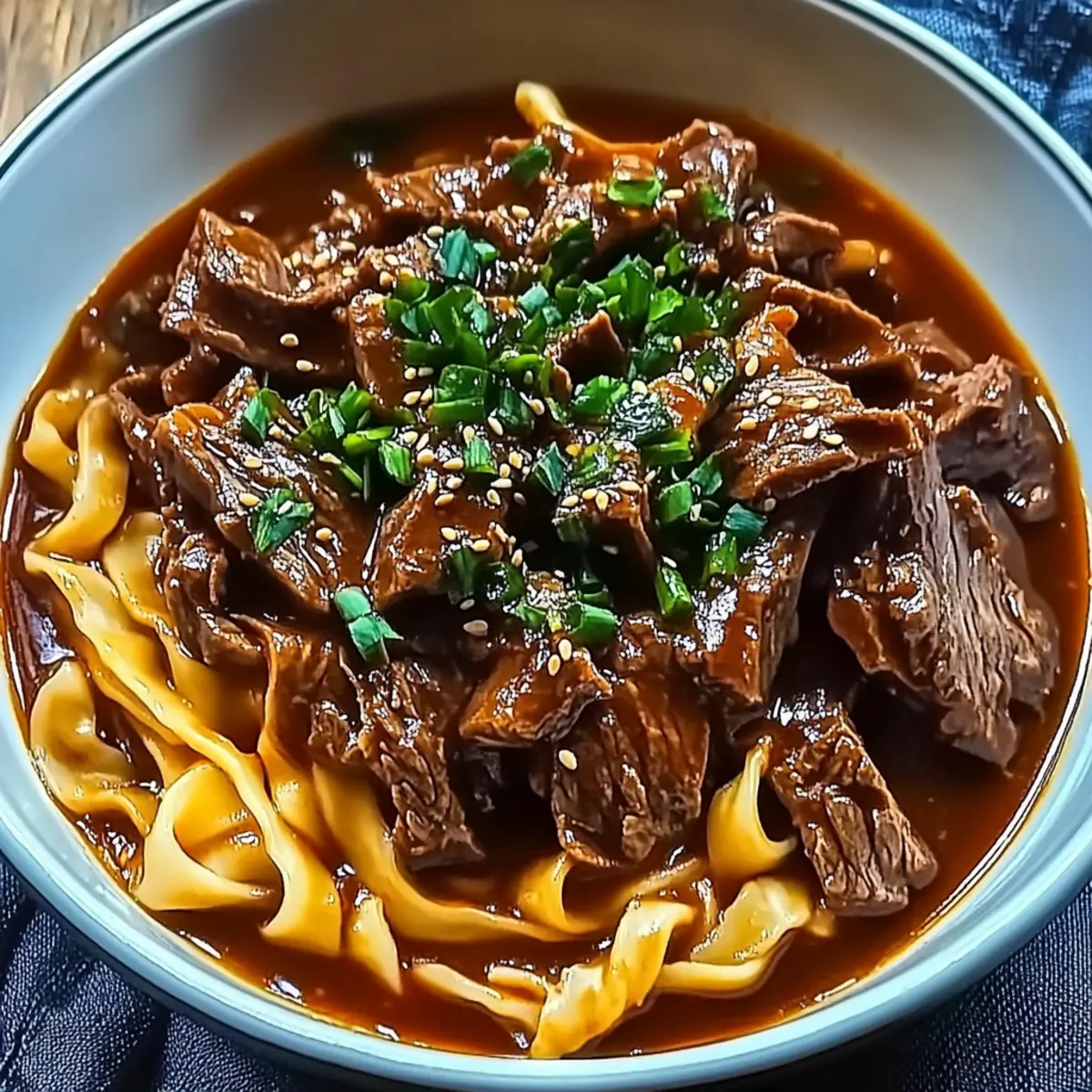
Korean Beef Noodles Recipe FAQs
How do I select the right beef for my Korean Beef Noodles?
Absolutely! Choose beef chuck for its rich flavor and tenderness, especially when slow-cooked. Look for cuts with good marbling, as the fat will melt during cooking, enhancing the flavor. If beef chuck isn’t available, brisket or flank steak are excellent alternatives.
What’s the best way to store leftovers of Korean Beef Noodles?
Store your leftover Korean Beef Noodles in an airtight container in the refrigerator for up to 3 days. For optimal freshness, ensure the noodles are submerged in broth to prevent them from drying out. This way, you can enjoy your delicious comfort dish again!
Can I freeze Korean Beef Noodles and how should I do it?
Definitely! To freeze, let the Korean Beef Noodles cool completely, then place them in a freezer-safe container. It’s best to separate the noodles from the broth to maintain the texture—store each part in its own container if possible. They can be frozen for up to 3 months. When you’re ready to enjoy again, thaw them overnight in the fridge, then reheat gently on the stovetop.
What should I do if the beef is tough after cooking?
Ah, the age-old worry! If your beef turns out tough, it may need more cooking time. Slow cooking allows the tough fibers in the beef to break down. For the next time, ensure you’re using enough liquid and set your slow cooker to low for 6-8 hours for maximum tenderness. The beef should easily shred when it’s done.
Are there any dietary considerations for Korean Beef Noodles?
It’s important to make sure your Korean Beef Noodles work for your dietary needs! For those with allergies, ensure that your soy sauce is gluten-free if needed, or substitute it with coconut aminos. If you’re concerned about spice levels, adjust the amount of gochujang based on your preference. Always check ingredient labels for hidden allergens, especially with store-bought items.
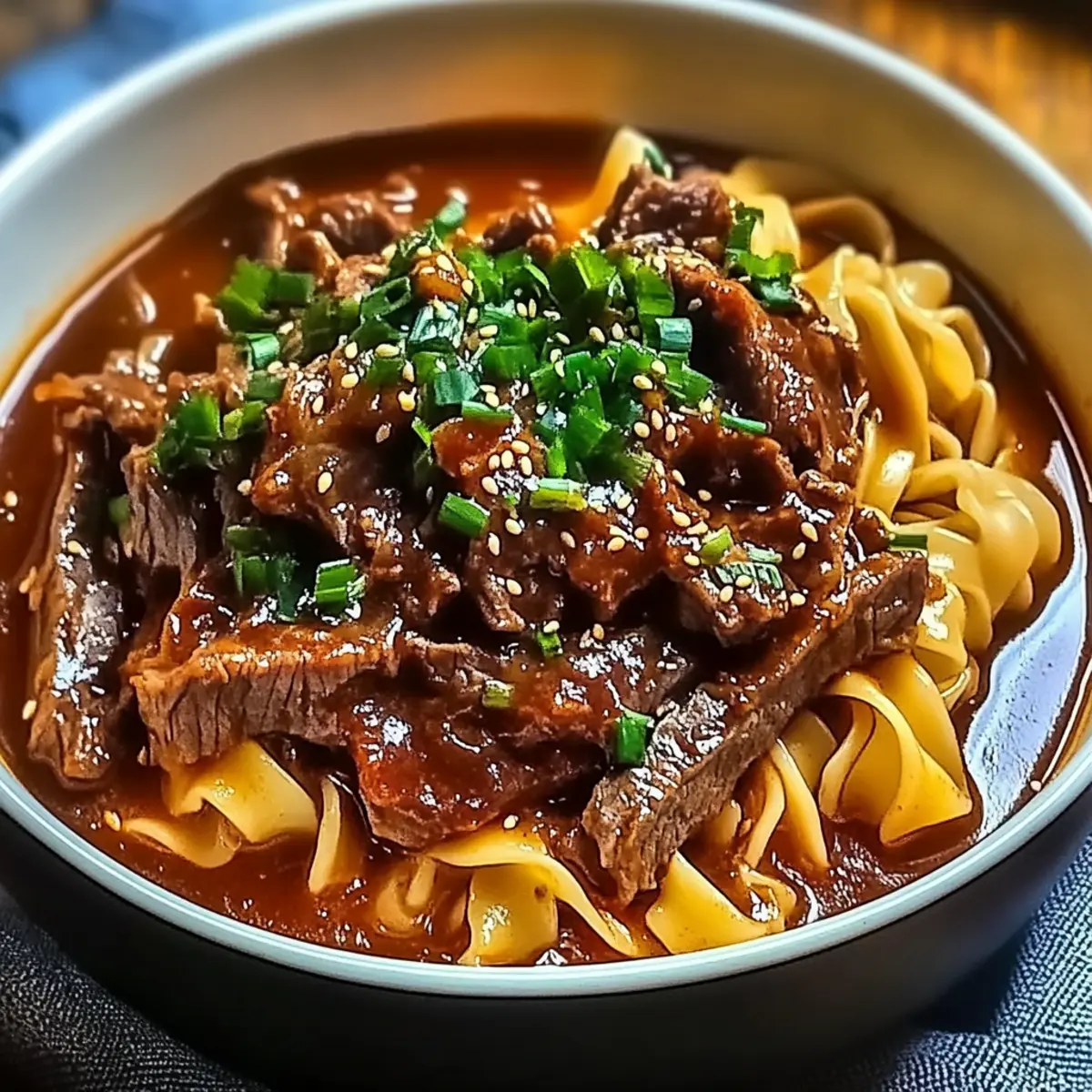
Korean Beef Noodles: A Cozy Hug in a Bowl
Ingredients
Equipment
Method
- Trim and season the beef chuck with black pepper. Cut into large chunks and set aside.
- Combine beef broth, soy sauce, brown sugar, minced ginger, minced garlic, sesame oil, and gochujang in a mixing bowl. Stir until sugar dissolves.
- Place the seasoned beef chunks in the slow cooker and pour the sauce mixture over them. Coat well.
- Cook on low for 6-8 hours or high for 3-4 hours until the beef is tender.
- About 15-20 minutes before serving, cook the noodles according to package instructions, then drain.
- Add the cooked noodles to the slow cooker and gently stir to coat them with broth.
- Serve the mixture in bowls, garnished with green onions, sesame seeds, and cilantro.
Leave a Reply